

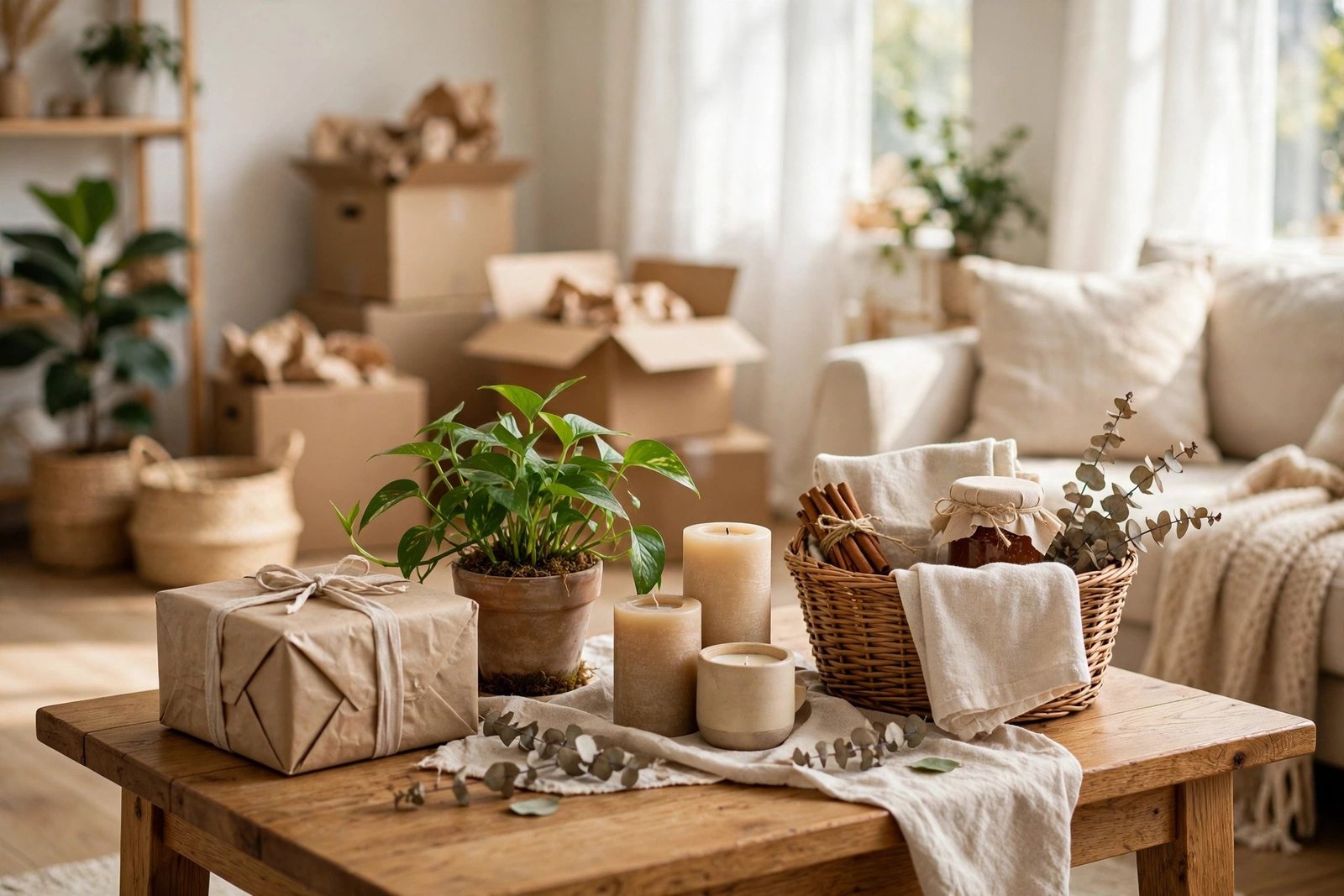
Moving house is one of life’s biggest upheavals, even when it is a happy one. Boxes everywhere, unfamiliar light switches, a kitchen where nothing is quite where your hand expects it to be. A new housewarming is the moment that turns that upheaval into a celebration. It marks the point where a property stops being a place you have moved into and starts being a home you live in, shared with the people who matter to you. It does not need to be grand, expensive, or perfectly finished. In fact, the best housewarmings are usually the simplest: a warm welcome, good company, and a home that feels lived in rather than staged.
This guide covers the whole occasion, from settling in before the celebration to choosing gifts that genuinely help, hosting without stress, and the small touches that make a new house feel like home. Whether you are planning your own housewarming or looking for a gift for someone else’s new home, the principle is the same: warmth beats extravagance, usefulness beats novelty, and a personal touch beats a generic present every time.
Before the Housewarming: Settle In First
It is tempting to host a housewarming the weekend after moving day, while the excitement is fresh. Resist that temptation, if you can. A housewarming held among unpacked boxes, with no working kettle and nowhere to sit, is stressful for the host and awkward for guests. Give yourself time to unpack the essentials first: beds made properly, a kitchen that functions, a bathroom that works, and at least one room where people can gather comfortably. The rest of the house can wait. Guests do not come to inspect your storage; they come to celebrate with you, and they will be far more relaxed if you are relaxed too.
A few practical jobs make the biggest difference before guests arrive. Make sure the front door, the heating and the hot water all work reliably, and that you know where the fuse box and the stopcock are, just in case. Clear a path from the front door to the gathering space, and put the remaining boxes in one room with the door closed rather than scattered through every room. Lay out a few familiar things — a favourite rug, photographs, the cushions from the old place — because familiar objects are what make a new space feel like yours, far more quickly than new furniture does.
Making the New House Feel Like Home
A new house can feel strangely empty even when it is full of furniture, because it has no memories yet. Housewarming touches are really about speeding up the process of making memories. Plants are one of the quickest ways to soften a new space: a few green leaves in a room make it feel alive and cared for, and they give the eye something to rest on besides bare walls. Soft lighting helps too. Lamps and candles in the evening transform a room that looked stark in daylight into somewhere warm and inviting, and they cost far less than redecorating.
Scent matters more than people expect. A new house often smells of paint, fresh plaster or previous occupants, none of which feels like home. Cooking something simple, opening windows for fresh air, and using a candle or diffuser with a scent you like can change the atmosphere of a room within an hour. Sound helps as well: music playing quietly in the background stops a new house feeling silent and strange, and it gives guests something to settle into when they arrive. These are small things, but together they are what turn a property into a place where people want to linger.
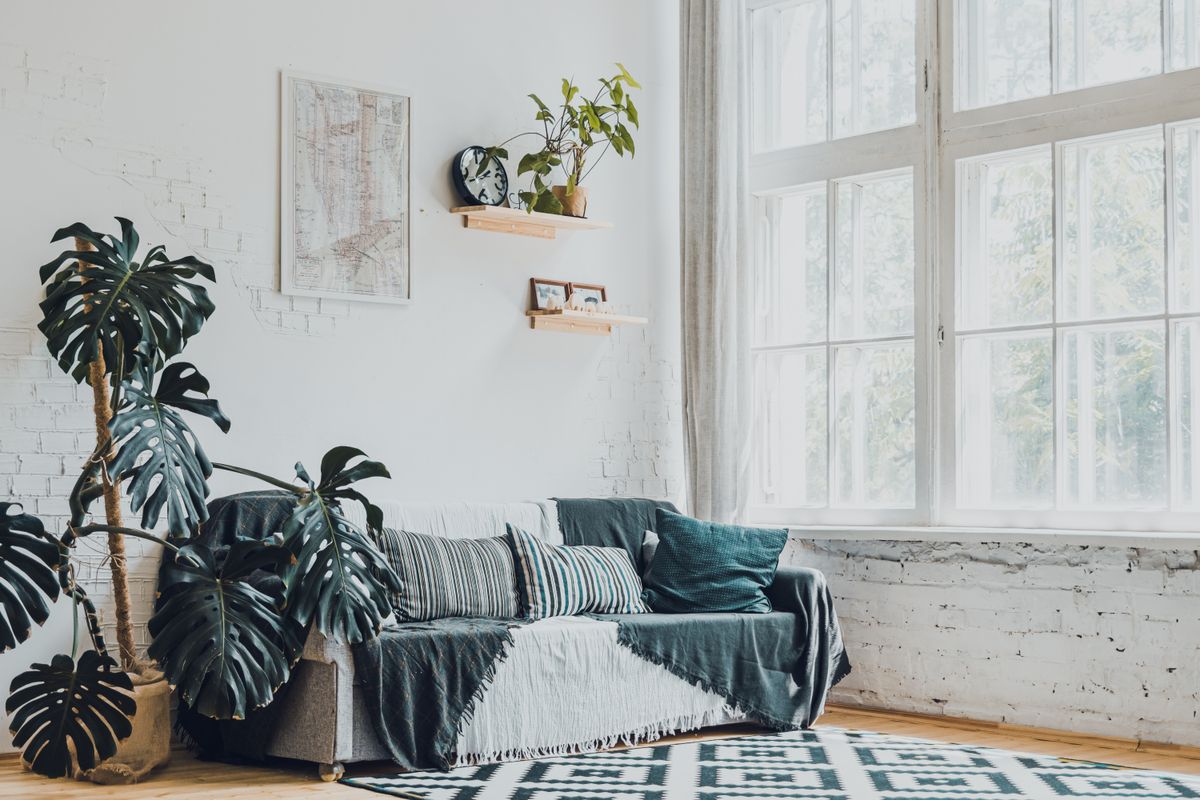
Personal touches deserve a place early, even if the decorating is unfinished. A photograph on the wall, a bookshelf with books you have actually read, a kitchen shelf with your everyday mugs rather than the good ones saved for visitors — these are the details that tell guests, and remind you, that this is a lived-in home rather than a show home. Do not wait for everything to be perfect before adding them. Perfection is the enemy of feeling at home, and a house that is lived in from the start gathers warmth far faster than one kept pristine for an occasion that never quite arrives.
Housewarming Gift Ideas That Always Work
Choosing a housewarming gift is easier when you think about what a new household actually needs in its first weeks. Practical gifts are often the most appreciated, because moving is expensive and exhausting, and the small things are the ones that get forgotten. A good houseplant is a classic for a reason: it is alive, it grows with the home, and it suits almost any room. Choose something hardy and easy to care for, unless you know the recipient is an experienced plant keeper, and include a simple care note so that a non-gardener is not left guessing.
Kitchen gifts are another reliable choice, because the kitchen is where a new home comes together first. Useful items include good tea towels, a decent chopping board, a set of everyday glasses, or a hamper of store-cupboard essentials for the first few meals. Food and drink gifts in general are warmly received in the moving weeks, when cooking a proper meal feels like a luxury. A basket with bread, cheese, fruit, something sweet and a bottle of something to toast with says, in effect, that you want the new household to eat well and celebrate, which is exactly the message a housewarming gift should carry.

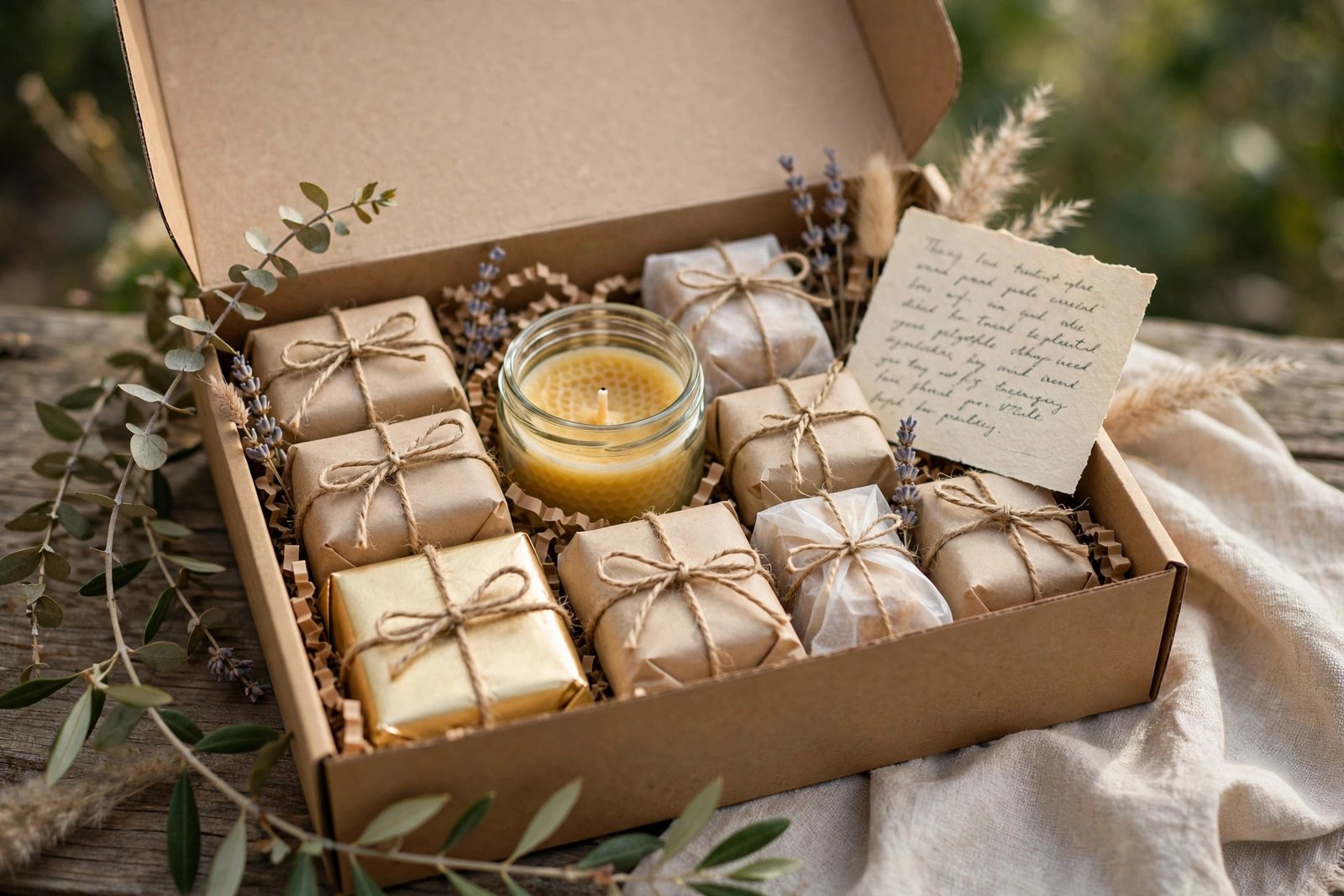
Personalised and handmade gifts carry a different kind of value. A framed print, a handmade cushion, a piece of pottery, or a photograph of a shared memory all say that thought went into the gift, not just money. These gifts work best when they reflect the recipient’s taste rather than the giver’s, so pay attention to the colours, styles and interests you have seen in their home. If you are unsure, a gift that can be chosen later, such as a voucher for a home shop, is perfectly acceptable, and far better than a large decorative item that does not suit the house and becomes an awkward obligation to display.
There are gifts worth avoiding, unless you know they are wanted. Very large items, strongly scented products, and anything that needs significant maintenance can become burdens in a household still finding its feet. Duplicate gifts are another risk in the housewarming season, when several people may have the same idea at once. If you know other guests, a quick word about what you are planning can avoid three identical plants arriving on the same day. And if you are the new homeowner receiving gifts, a short thank-you note for each one, mentioning the gift itself, is a kindness that guests remember long after the party.
Hosting a Simple Housewarming Gathering
A housewarming gathering should be enjoyable for the host as well as the guests, which means keeping it simple. An open-house format, where guests drop in over a few hours rather than all arriving at once, suits a new home particularly well. It keeps numbers manageable, it means latecomers do not miss a formal moment, and it lets the host actually talk to people rather than spending the whole afternoon in the kitchen. State the time window clearly on the invitation, so that guests know they are welcome to come and go.
Food should be easy, plentiful and forgiving. A spread of cold food, bread, cheese, salads, cakes and drinks that guests can help themselves to is far better than a cooked meal that chains the host to the stove. Ask a couple of close friends to bring a dish if they offer, and accept the help gracefully; a housewarming is a communal occasion, and people like to contribute. Keep drinks simple too, with water, something soft, and something to toast with, and make sure there are enough glasses, plates and places to sit, even if some of the seating is borrowed or improvised.

A gentle structure helps guests who do not know each other. A short house tour early on, for those who want one, breaks the ice and gives people something to talk about. Music in the background, a few photographs of the move, or a simple activity such as a message book where guests write wishes for the new home, all give shy guests a way in. Do not over-plan, though. The best housewarmings leave room for conversation to wander, for old friends to catch up, and for new neighbours to introduce themselves, which is often the most valuable outcome of the whole occasion.
Neighbours deserve a particular thought. Introducing yourself to the people next door, across the street, or in the same building is one of the most useful things a new household can do, and a housewarming is a natural excuse. Even a brief invitation, a plate of food, or a friendly note can start a relationship that matters far more than any gift: neighbours who look out for each other, who take in parcels, who notice when something is wrong. A new home is not just a building; it is a place in a community, and the housewarming is the first step into that community.
Housewarming Traditions Worth Keeping
Many cultures have housewarming traditions, and several of them carry a warmth worth borrowing whatever your background. The idea of bringing bread and salt to a new home, for example, symbolises that the household will never go hungry and will always have flavour in life. Lighting a candle or a fire in a new home symbolises warmth and welcome. A first meal cooked together in the new kitchen marks the home as a place of nourishment rather than just shelter. You do not need to follow any tradition formally to appreciate the sentiment behind it: that a home is blessed by the people who gather in it, and by the care taken to make it welcoming.
Starting your own tradition is just as meaningful. It might be a first walk around the neighbourhood together, a photograph taken on the doorstep every year on the moving anniversary, a particular meal cooked on the first evening, or a plant bought for each home you live in and carried with you to the next. Traditions of this kind sound small, but they are how a house accumulates a history, and how a family or household tells its own story. Years later, it is rarely the furniture people remember. It is the first evening, the first guests, and the feeling that this place, at last, was home.
Frequently Asked Questions
When should I host a housewarming?
When the essentials are unpacked and you can welcome guests comfortably, which is usually a few weeks after moving rather than the first weekend. There is no deadline, and a housewarming months later, when the home truly feels settled, is better than a stressed gathering among boxes.
Do I need to invite everyone I know?
No. A housewarming can be small and personal, or large and open, and both are perfectly proper. Invite the people who matter to you, including new neighbours if you wish, and do not worry about guests you cannot fit. A second, smaller gathering later is always an option.
What is a good housewarming gift on a small budget?
Thoughtfulness matters more than spending. A home-baked cake, a hardy plant, a set of tea towels, a handwritten note with a favourite recipe, or a basket of everyday essentials are all warmly received, and often more useful than an expensive item chosen without thought.
Should I bring a gift if I am invited to a housewarming?
It is customary and appreciated, but it need not be large or costly. A bottle, a plant, food for the household, or something useful for the new home are all suitable. If the hosts have said no gifts, respect that, and bring food or flowers for the occasion instead.
What if the new home is rented or temporary?
A housewarming is about the household, not the tenure. A rented flat, a temporary home, or a first room of one’s own all deserve celebrating, and gifts that travel well, such as plants, kitchen items and personal touches, suit them particularly well.
Conclusion
A new housewarming is, at its heart, a simple idea: gather the people you care about, in the place you will now live, and mark the beginning of its story. It does not require a finished home, an expensive party, or lavish gifts. It requires a kettle that works, a room to gather in, food that people can enjoy without fuss, and the willingness to open your door before everything is perfect. For guests, the best gift is something useful, personal, or edible, chosen with the household in mind rather than chosen for show. For hosts, the best plan is the simplest one that leaves you free to enjoy your own celebration. Do those things, and the new house will do the rest: it will fill, over weeks and months, with meals, conversations, plants, photographs and memories, until one day you realise that it stopped feeling new some time ago, and started feeling, unmistakably, like home.





Leave a Reply