

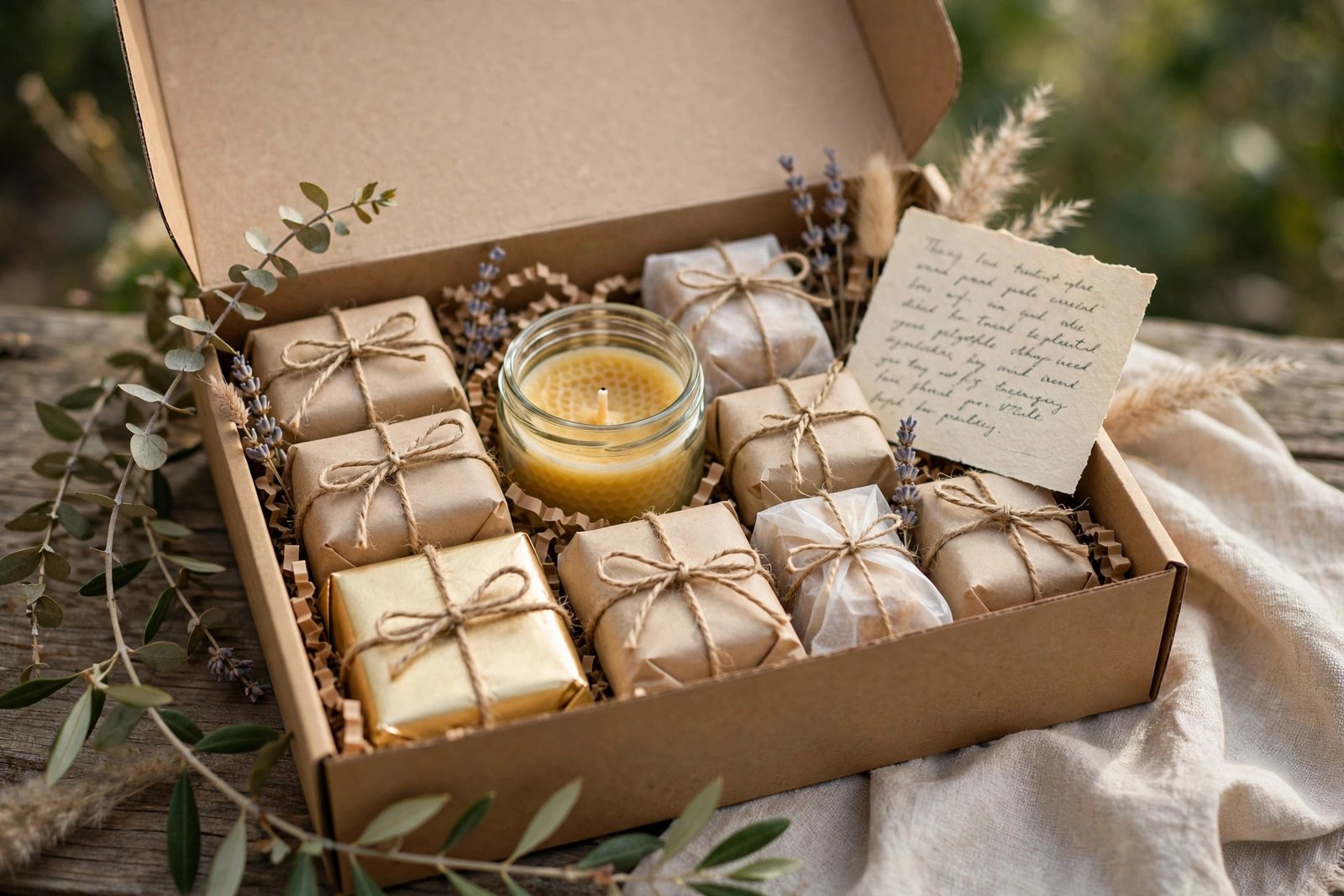
There is a reason gift boxes have become so popular, and it is not just that they look beautiful on a table. A good gift box solves the hardest part of giving: instead of choosing one perfect item and hoping it lands, you gather several small, thoughtful things around a theme, and together they tell the recipient that you know them. A box of favourite teas, a candle and a soft pair of socks says something different from a box of baking treats and a handwritten recipe card, and that difference is the whole point. This guide is about gift boxes in their own right, not about single presents or wedding registries, but about how to choose a theme, fill a box with things someone will actually use, present it beautifully, and avoid the mistakes that turn a generous idea into a box of clutter. Whether you are making a box yourself or choosing a ready-made one, the same principles apply.
Start With the Person, Not the Box
The most common mistake with gift boxes is to fall in love with a box first and only afterwards wonder who it is for. It is far better to start the other way around. Think about the person, their daily life, their tastes, and what would genuinely make their week a little brighter. A friend who loves slow mornings might treasure good coffee, a favourite biscuit and a book of crosswords, while a friend who is always on the go might prefer practical comforts they can use straight away, such as a quality water bottle, a notebook and a snack for the journey. A new parent might value rest above all else, while a keen gardener might light up at seed packets and hand cream. None of this requires insider knowledge or a large budget; it simply requires a moment of thought before you start filling the box.
It also helps to consider the occasion and your relationship with the recipient. A birthday box can be playful and personal, full of inside jokes and favourite treats, while a thank-you box should be warm and gracious rather than extravagant, and a sympathy or get-well box should be gentle, comforting and undemanding. A close friend can receive something more personal than a colleague or a new neighbour, and nobody reasonable expects the same from everyone. If you are unsure, a quiet word with someone who knows the recipient well can be invaluable, not for gossip, but for a sense of what they would genuinely enjoy and what they already have plenty of. The aim is a box that feels chosen, not assembled at random.

Choosing the Right Box and Size
The box itself matters more than people often realise, because it sets the first impression and determines how the contents will sit. A box that is too large for its contents will look empty and disappointing, with items rattling around inside, while a box that is too small will force you to cram things in and spoil the presentation. Aim for a box that fits the items snugly, with just enough tissue paper or shredded filling to cushion them and fill the gaps. Sturdy card boxes work well for posting, lidded boxes feel more like a keepsake, and baskets or fabric bags can become part of the gift themselves, useful long after the treats inside are gone.
Reusable packaging is worth considering, both for the planet and for the recipient. A beautiful tin, a sturdy basket, a tote bag or a wooden crate can all be used again, which adds lasting value to the gift and avoids the waste of single-use packaging. If you are posting the box, practicality matters too: choose a box that will survive the journey, protect fragile items with padding, and keep anything perishable safe. A box that arrives dented or damaged loses much of its charm before it is even opened, so a little care at the packing stage pays off. Think of the box as part of the present, not just as a container for it.
Themes That Work
A theme gives a gift box its shape, turning a random collection into something that feels considered. Pamper boxes are perennial favourites: a candle, bath salts, a face cloth and a soothing balm invite the recipient to slow down and take time for themselves, and they suit birthdays, thank-yous and get-well wishes alike. Food and drink boxes are equally reliable, built around a favourite tea or coffee, biscuits, chocolate or preserves, and they work beautifully when you know someone’s tastes well. A home-themed box might include a small plant, a scented candle and a set of coasters, while a cosy night-in box could hold a film-night snack selection, soft socks and a puzzle book. The best themes come from the recipient’s life, not from a catalogue.
More personal themes often mean the most. A hobby box, built around gardening, baking, painting or reading, shows that you have paid attention to what someone loves doing, and even a few small, well-chosen items can make it feel special. A memory box, with photos, a handwritten letter and a few items linked to shared experiences, can be deeply moving, especially for a milestone birthday or a farewell. For a recipient who shares their home with a dog, a pet-themed box or a small pet extra alongside the main gift can be a delightful touch. Our guide to Christmas gifts for your dog has inspiration on treats and gifts a dog owner would appreciate. Similarly, a small piece of jewellery can elevate a pamper box from pleasant to memorable, provided it suits the recipient’s style. Our guide to meaningful everyday bracelets has jewellery ideas that can be worn every day. The key in every case is coherence: every item should belong to the same story.
Ready-made gift boxes have their place too, and there is no shame in choosing one, especially when time is short or the recipient lives far away. A well-chosen ready-made box, selected with the recipient in mind, can be just as thoughtful as a homemade one, and specialist makers often curate combinations you would not have thought of yourself. The difference between a good ready-made box and a generic one is the same as with a homemade box: does it suit this person, or could it have been sent to anyone? If you buy ready-made, look for a theme that matches the recipient, check that the items are of decent quality, and add at least one personal touch of your own, such as a handwritten card, so the box does not feel anonymous. That single addition transforms a purchased box into a personal gift.

What to Put In: Quality Over Quantity
It is tempting to fill every corner of a gift box, but more is not always better. A box crammed with small, forgettable items can feel overwhelming, while a box with a few well-chosen things feels generous and considered. Aim for a balance of types: something to eat or drink, something to use, something comforting, and something personal, such as a card or a note. Variety keeps the unwrapping enjoyable, because each item is a small surprise, but every item should earn its place. Ask yourself, for each thing you consider adding, whether the recipient will actually use it, enjoy it, or keep it, and leave out anything you are adding only to fill space.
Practical details deserve attention too. Check for allergies, dietary needs and sensitivities before choosing food, drink or skincare items, since a thoughtful gift should never cause discomfort. Consider the recipient’s home and lifestyle: someone with limited space may not welcome bulky items, someone who travels light may prefer compact treats, and someone with a busy household may value things that can be used immediately rather than stored away. Perishable items need care if the box will be posted or stored for a while, so check dates and choose items that will still be at their best when the box is opened. A little thought about these details is what separates a box that delights from a box that gathers dust.
Budgeting Without Awkwardness
Money is the part of gift giving that causes the most quiet anxiety, and gift boxes can help rather than hinder, because they let you control the total while still giving generously. Set a budget you can afford comfortably before you start, and build the box to fit it, rather than adding items and hoping the total works out. A modest box, chosen with care, will always be received more warmly than an extravagant box given beyond your means, and recipients generally understand that different people have different circumstances. If you are giving as a group, pooling contributions for one beautiful box is often better than several small, separate gifts, and it lets everyone contribute an amount they are comfortable with while the recipient receives something substantial.
It is also worth thinking about the total cost of giving, not just the contents. Posting a heavy box can add a surprising amount, and beautiful packaging, ribbon and cards all add up, so factor these in from the start rather than discovering them at the end. Buying a few items at a time, when you spot something perfect, can spread the cost and lead to a more thoughtful box than a last-minute rush, when the temptation is to overspend on whatever is available. Generosity is a matter of spirit, not of figure, and the best gift box is one you can give gladly, without strain or regret.
Presentation: The Finishing Touches
Presentation is where a gift box earns its wow factor, because it is the first thing the recipient sees. Start with a layer of tissue paper or shredded filling in the base, place heavier items at the bottom and lighter, more delicate items on top, and tuck tissue paper around the edges so nothing moves about. Arrange items so they are visible when the lid comes off, rather than hidden under layers of filler, since the moment of opening is part of the gift. A ribbon tied neatly around the box, a sprig of dried flowers, or a simple gift tag can all add charm without expense, and they signal that care went into the packing as well as the choosing.
The card deserves as much care as the box itself, because it is often the part of the gift that recipients keep longest. A handwritten message, even a short one, transforms a collection of items into a personal gift, because it explains why you chose them and what you hope they will bring. Mention a memory you share, a hope for the recipient, or simply why you thought of them, and write in your own words rather than relying on a printed sentiment. If the box is being sent by post, include the card inside the box rather than loose in the outer packaging, so it is discovered at the right moment. A box that arrives beautifully presented, with a message that could only have come from you, feels personal in a way that no amount of spending can replicate.

What to Avoid
A few common mistakes are worth steering clear of. Avoid filling a box with novelty items that amuse for a moment and then gather dust, since a gift that becomes clutter is rarely appreciated. Avoid items that require a great deal of upkeep, space or specialist knowledge unless you are certain the recipient wants them. Avoid duplicating something the recipient already owns in abundance, especially if you know they have recently received similar gifts. Avoid overly personal items for people you do not know well, since what feels thoughtful to you may feel intrusive to them. And avoid drawing attention to the cost of the box, whether by boasting about it or apologising for it, since either approach shifts the focus from the recipient to the giver. The best gift boxes are generous, thoughtful and quietly focused on the person receiving them.
Frequently Asked Questions
Is a homemade gift box better than a ready-made one?
Neither is inherently better. A homemade box allows complete personalisation, while a ready-made box saves time and often includes expertly curated items. What matters is whether the box suits the recipient, and adding a handwritten card to a ready-made box makes it personal either way.
How many items should a gift box contain?
There is no fixed number, but a handful of well-chosen items usually works better than a box crammed full. Aim for a mix of types, something to eat or drink, something to use, something comforting, and a personal note, so the unwrapping feels varied without becoming overwhelming.
Can I post a gift box safely?
Yes, provided you choose a sturdy box, pad fragile items well, and avoid perishables that will not survive the journey. Place the card inside the box, seal the outer packaging securely, and allow enough time for delivery before the occasion.
What if I do not know the recipient well?
Choose a safe, broadly appealing theme, such as food and drink or pamper items, and avoid anything overly personal. A classic theme, chosen with care and presented beautifully, is a thoughtful gift for a colleague, neighbour or new acquaintance.
Are reusable boxes worth it?
Yes, when the container itself is useful or beautiful. A basket, tin, tote bag or keepsake box adds lasting value to the gift, reduces waste, and reminds the recipient of your thoughtfulness long after the contents are gone.
Conclusion
A great gift box is not about spending the most or filling the largest container; it is about paying attention. Start with the person, choose a theme that fits their life, fill the box with a few things they will actually use and enjoy, and present it with care, finishing with a card written in your own words. Avoid clutter, novelty for its own sake, and gifts chosen to impress rather than to please. Done well, a gift box is more than the sum of its contents: it is a small, tangible message that says you know someone, you thought about them, and you wanted to make their day a little brighter. That is a gift worth giving, for birthdays, thank-yous, farewells and no particular reason at all.



Leave a Reply