

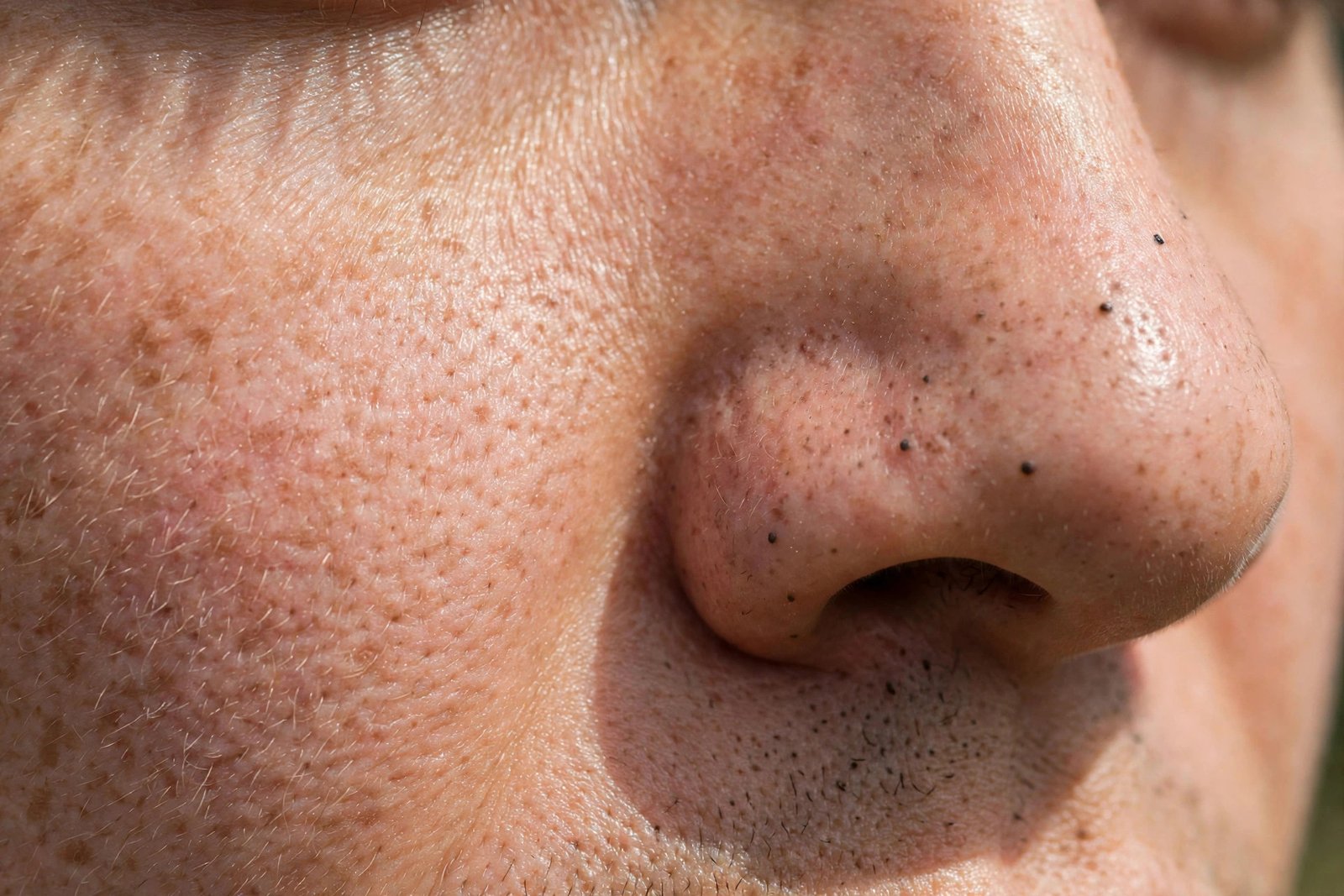
Look closely in the mirror on a bright morning and you may notice them: tiny dark dots scattered across the nose, the chin, or the forehead, too small to be spots and too stubborn to wash away. These are blackheads, one of the most common skin concerns there is, and one of the most misunderstood. They are not dirt, they are not a sign of poor hygiene, and they are not something you can scrub away in a single evening. A blackhead forms when a pore becomes blocked, and understanding that simple process is the key to managing them calmly rather than fighting them aggressively. This guide explains what blackheads are, what causes them, how they differ from other blemishes, which gentle habits genuinely help, what to avoid, and when it is worth getting advice from a clinician. It is general skincare information only, not medical advice.
What Are Blackheads?
Your skin is covered in tiny openings called pores, each connected to a hair follicle and an oil gland. The oil glands produce sebum, a natural oil that keeps skin supple and protected. A blackhead forms when dead skin cells and excess oil collect inside a pore and create a plug. Unlike a whitehead, where the plug sits beneath a closed surface, a blackhead sits in an open pore, so the top of the plug is exposed to the air. That exposure is what gives it its dark colour: the pigment in the plug darkens when it meets air, a process similar to the way a cut apple browns. The dark dot is therefore not dirt trapped in the skin, however much it may look like it, and washing harder will not make it disappear.
Blackheads most often appear where oil glands are most active, which is why the nose, forehead and chin are the usual trouble spots. This area is often called the T-zone because of its shape across the face, and it tends to be oilier than the cheeks. Blackheads can also appear on the back, the chest and the shoulders, especially in warmer weather or after exercise, when oil and sweat build up on the skin. They are not painful, they are not usually inflamed, and they do not carry the soreness of a deeper spot, but they can be persistent, returning in the same places even after they seem to have cleared.

What Causes Blackheads?
Several factors work together to create blackheads, and it is rarely just one thing. The skin naturally sheds dead cells all the time, and oil flows out of the pores to keep the surface healthy. When dead cells are not shed cleanly, they can mix with oil and form a plug inside the pore. Hormonal changes can increase oil production, which is why blackheads often first appear during the teenage years and can flare at other times of hormonal change. Warm, humid weather can also make skin oilier, and heavy, pore-blocking products layered on the skin may add to the build-up. None of this means the skin is dirty or neglected; oily skin and combination skin simply produce more of the ingredients that form plugs.
Everyday habits can make blackheads more likely without being the root cause. Sleeping in makeup, for example, leaves an extra layer over the pores overnight, and not cleansing after sweating lets oil, sweat and grime sit on the skin longer than they need to. Touching the face frequently transfers oil and residue from the hands to the skin. Tight headwear or helmets that trap heat and sweat against the forehead can encourage spots along the hairline. These are all manageable factors, and adjusting them is often more useful than searching for a single miracle product, because blackheads respond to steady, gentle care rather than to dramatic intervention.
How Blackheads Differ From Other Blemishes
It helps to know what you are looking at, because different blemishes respond to different care. A whitehead is a similar plug, but the pore is closed over, so the plug stays pale and slightly raised rather than dark. A pimple or inflamed spot is different again: it is red, tender and swollen because the blocked pore has become irritated or infected, and squeezing it can make the inflammation worse. Milia are tiny white cysts, usually around the eyes, that feel firm and do not have an opening at all, so they cannot be treated like blackheads. Knowing the difference stops you from applying the wrong approach to the wrong problem, which is one of the commonest reasons skincare routines fail.
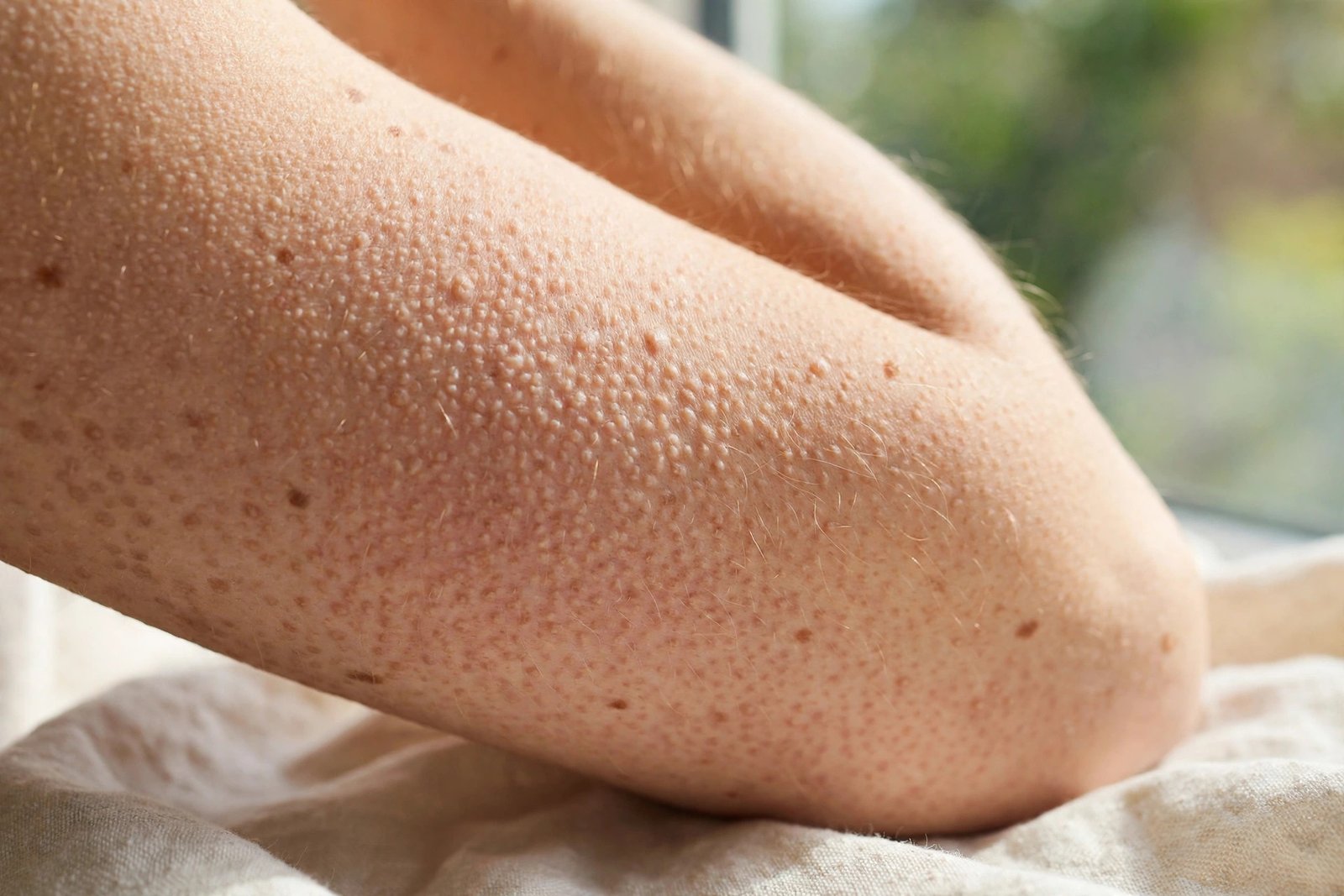
Blackheads are also quite different from keratosis pilaris, the condition behind the small rough bumps many people notice on their upper arms and thighs. Keratosis pilaris happens when keratin, the tough protein that protects skin, builds up around hair follicles on the body, creating a sandpapery texture, whereas blackheads are dark, open plugs in facial pores caused mainly by oil and dead skin cells. The two conditions look and feel different, appear in different places, and are cared for differently, so confusing them can lead to using products meant for one problem on the other. If you are unsure which condition you have, a clinician can usually tell at a glance.
What Helps: Gentle Habits That Make a Difference
The most effective approach to blackheads is also the least dramatic: keep the skin clean, keep it balanced, and be patient. A gentle cleanser used morning and evening removes excess oil, sweat and the residue of the day without stripping the skin. Lukewarm water is kinder than very hot water, which can dry the skin and prompt it to produce even more oil in response. After cleansing, pat the skin dry with a clean towel rather than rubbing it, which can irritate the surface. This simple routine, done consistently, does more good than any occasional deep-cleaning blitz, because blackheads form gradually and clear gradually too.
Gentle exfoliation can help by encouraging dead skin cells to shed cleanly instead of collecting in pores. Chemical exfoliants, which dissolve the bonds between dead cells, are generally kinder than harsh physical scrubs, which can scratch and irritate the skin. Products described as non-comedogenic are formulated to be less likely to block pores, and this is a useful label to look for when choosing moisturisers and makeup, although no label can guarantee that a product will suit everyone. A light, oil-free moisturiser matters even for oily skin, because skin that is dried out may overproduce oil to compensate, and balanced, hydrated skin sheds and renews itself more evenly. Sun protection is also part of the picture: sun damage thickens the outer skin and can make pores appear larger, so a daily sunscreen suited to your skin type is a sensible habit all year round.
Your wider routine plays a part as well. Pillowcases and face cloths collect oil and residue, so changing them regularly is a small habit with a real benefit. Hair products that sit heavily on the forehead can contribute to spots along the hairline, so keeping heavy styling products away from the face and tying hair back during exercise can help. Removing makeup thoroughly before bed, rather than leaving it on overnight, gives pores a clean surface while you sleep. None of these steps is complicated or expensive, and together they create the conditions in which blackheads are less likely to form and quicker to settle.

What to Avoid
Some of the most popular blackhead remedies do more harm than good, and it is worth knowing which ones to skip. Squeezing blackheads with fingers or nails is the biggest culprit: it can push the plug deeper, break the skin, introduce bacteria and leave marks or scarring that last far longer than the blackhead itself. Metal extractor tools carry the same risks in untrained hands and can bruise or tear delicate facial skin. Harsh scrubs with rough particles may feel satisfying, but they can inflame the skin and damage its protective barrier, leaving it redder and more reactive. Very strong drying products, including harsh astringents used too often, can strip the skin and trigger extra oil production, which brings the problem back in a worse form.
Pore strips deserve a special note because they are so tempting: they visibly pull out plugs and give an instant sense of progress. In reality they usually remove only the surface of the plug, leaving the deeper part behind, so the blackhead soon returns, and repeated use can irritate the skin and enlarge the appearance of pores. They are not dangerous when used occasionally on healthy skin, but they are not a lasting solution, and they should never be used on broken, sunburnt or irritated skin. Similarly, be cautious about layering many strong active products at once in the hope of faster results. Irritated skin is harder to care for than calm skin, and a routine that stings, flakes or reddens the face is a sign to step back, simplify, and let the skin recover.
A Simple, Gentle Routine
A routine you will actually follow every day beats an elaborate one you abandon after a week. In the morning, cleanse gently with lukewarm water and a mild cleanser, apply a light moisturiser suited to your skin type, and finish with sunscreen. In the evening, remove makeup first if you wear it, then cleanse again to clear the day from your skin, and moisturise lightly. A gentle exfoliating product can be added a few evenings a week if your skin tolerates it well, starting slowly and watching for any irritation. That is the whole routine, and it is enough: the goal is steady care, not a cupboard full of products competing with each other.
Give any new routine time before judging it. Skin renews itself gradually, so changes in blackheads happen over weeks rather than days, and judging a product after only a few uses will mislead you. Introduce one new product at a time, so that if irritation appears you know which product caused it. Keep notes, even mental ones, about what your skin liked and what it did not, because skin changes with the seasons and with age, and a routine that worked in summer may need softening in winter. If blackheads are widespread, painful, inflamed, or not responding to gentle care over a reasonable period, or if you are considering stronger treatments, speak to your GP or a dermatologist, who can confirm what you are dealing with and discuss options suited to your skin.

Frequently Asked Questions
Are blackheads caused by dirt?
No. The dark colour comes from the plug itself darkening when it is exposed to air, not from dirt in the pore. Washing harder will not remove a blackhead, and over-washing can irritate the skin and make oiliness worse.
Can I squeeze blackheads out?
It is best not to. Squeezing can push the plug deeper, break the skin, cause infection and leave marks or scars. Gentle cleansing and exfoliation over time are safer and more effective than force.
Do pore strips get rid of blackheads permanently?
No. Pore strips usually lift only the surface of the plug, so the blackhead tends to return, and frequent use can irritate the skin. They can be a short-term cosmetic fix, but they do not prevent new blackheads from forming.
Should people with oily skin skip moisturiser?
No. Even oily skin needs moisture, and skin that is dried out may produce more oil to compensate. Choose a light, non-comedogenic moisturiser that suits your skin type and apply it after cleansing.
When should I see a clinician about blackheads?
See your GP or a dermatologist if blackheads are widespread, painful or inflamed, if they are leaving marks, if gentle care is not helping, or if you are unsure of the diagnosis. Stronger treatments exist, but they are best discussed with a clinician rather than tried blindly.
Conclusion
Blackheads are common, harmless and manageable, but they reward patience rather than aggression. They are not dirt, they are not a judgement on your hygiene, and they will not vanish overnight, whatever a product promises. The approach that works is unglamorous and steady: gentle cleansing, light moisturising, careful exfoliation, sun protection, and the avoidance of squeezing, harsh scrubs and overloaded routines. Understand what a blackhead actually is, treat your skin kindly, give the routine time to work, and get professional advice if anything looks unusual or does not improve. With that calm, consistent approach, most people find blackheads become far less noticeable, and the mirror becomes a much less stressful place to start the day.







Leave a Reply