

Few gifts carry quite as much pressure as wedding gifts. You want to be generous, you want to be thoughtful, and you want to avoid the quiet fear that your present will end up unused, duplicated or quietly passed on. At the same time, weddings themselves come in many forms, from large formal celebrations to small, intimate gatherings, and the couple at the centre of it all may have very different tastes, circumstances and expectations. The good news is that choosing wedding gifts people actually want is less about spending a great deal and more about paying attention. This guide looks at how to start with the couple rather than the gift, how registries, cash and personal presents compare, how to handle budgeting without awkwardness, when a group gift makes sense, and how timing and presentation can make even a modest gift feel special.
Start With the Couple, Not the Gift
The most common mistake in wedding gift giving is to start by browsing for a gift and only afterwards wonder whether it suits the couple. It is far better to start the other way around. Think about who they are, how they live, and what stage of life they are in. A couple setting up their first home together will probably value practical things that help them build that home, while a couple who have lived together for years may already have everything they need and may value experiences, contributions towards a shared goal, or something personal far more than another household item. A couple who love cooking will welcome something for the kitchen, while a couple who travel often might prefer something light, portable or experience-based. None of this requires insider knowledge; it simply requires a moment of thought before you start shopping.
It also helps to consider your relationship with the couple. A close friend or family member can often give something more personal, or more generous, than a distant colleague or a plus-one guest, and nobody reasonable expects the same from everyone. If you are unsure, a quiet word with a close friend of the couple, a sibling or a member of the wedding party can be invaluable, not for gossip, but for a sense of what the couple would genuinely appreciate and what they already have. The aim is not to second-guess their taste perfectly, but to avoid the most common pitfall of all: a gift chosen to impress other guests rather than to please the couple themselves. A thoughtful gift, given with warmth, will always be remembered more fondly than an expensive gift given without thought.

Registries, Cash or Something Personal?
Most couples make the decision easier by providing a wedding registry, a list of items they have chosen themselves. If a registry exists, using it is almost always the safest and most welcome option. The couple have already thought about what they need, what matches their home, and what they would actually use, and buying from the list removes the risk of duplication. It also removes the guesswork for you. The only real skill required is to choose an item within your budget and to buy it in good time, since popular items tend to be claimed early and leaving it to the last minute can leave only the most expensive or least appealing options. A registry gift does not need to be the grandest item on the list to be appreciated; a well-chosen smaller item, bought with care, is a perfectly good gift.
Cash gifts, given as money towards a honeymoon, a home deposit or a shared experience, have become increasingly common, and for many couples they are genuinely the most useful gift of all. Some couples set up a dedicated fund for this purpose, which makes giving cash feel natural and purposeful rather than impersonal. If you choose to give money, present it thoughtfully, in a card with a warm, personal message explaining what you hope it will contribute to, rather than simply handing over an envelope without a word. That small effort transforms a practical gift into a personal one, because it shows that you have thought about what the money will mean to them, not just about the amount itself. Cash is not a lazy option when it is given with intention; it is often the kindest and most practical option of all.
Personal gifts, chosen without a registry, can be wonderful, but they carry the greatest risk. They work best when you know the couple well and have a clear idea of their taste, or when the gift has a genuine personal connection, such as something handmade, something linked to a shared memory, or something that reflects a hobby or passion you know they share. Jewellery, for example, can be a beautiful wedding gift when it is chosen with the recipient in mind, and a piece that can be worn every day often means more than something kept only for special occasions. Link the phrase “meaningful everyday bracelets” to https://yorkmags.co.uk/joma-bracelets-meaningful-jewelry-for-everyday-style/ for readers looking for jewellery gift inspiration. The key with any personal gift is to ask yourself honestly whether the couple will use and enjoy it, or whether you are choosing it mainly because you like it yourself. If you cannot answer that question confidently, a registry item or a cash contribution is usually the wiser choice.
For couples who share their home with a pet, a thoughtful touch can be a small gift for the animal as well, alongside the main present for the couple. It need not be extravagant, and it should never replace the gift for the couple themselves, but acknowledging a much-loved pet shows that you have noticed what matters in their household. Link the phrase “Christmas gifts for your dog” to https://yorkmags.co.uk/christmas-gifts-for-your-dog/ for pet gift ideas that could inspire a small extra for a dog-loving couple. As with any personal gift, the point is thoughtfulness, not novelty: something the pet will actually enjoy, chosen with the same care as the main gift, will be appreciated far more than a joke present that gathers dust.

Budgeting Without Awkwardness
Money is the part of wedding gift giving that causes the most quiet anxiety, and it helps to be honest about it. There is no universal amount that is correct, and what feels generous in one circle may feel modest in another, depending on your relationship with the couple, your own circumstances, and the kind of wedding you are attending. The most important principle is simple: give what you can afford comfortably, without stretching yourself into debt or resentment. A gift given with genuine warmth is never diminished by its cost, while a gift given beyond your means can leave you feeling strained long after the wedding is over. Couples, for their part, generally understand that guests have different circumstances, and a thoughtful card with a modest gift will always be received more warmly than an extravagant gift given grudgingly.
It can also help to think about the total cost of attending a wedding, not just the gift in isolation. Travel, accommodation, clothing and other expenses all add up, and a sensible budget takes all of these into account. If attending the wedding itself is already a significant expense, it is perfectly reasonable for the gift to be more modest, and no reasonable couple would expect otherwise. Similarly, if you are attending several weddings in a short period, it is wise to set an overall budget for the season rather than trying to match each occasion in isolation. Being organised helps too: buying a registry item early, or setting money aside when the invitation arrives, avoids the last-minute panic that leads to overspending. Generosity is a matter of spirit, not of figure, and the best gift is one you can give gladly.
Group Gifts: When Bigger Is Better Together
Group gifts are an excellent solution when you want to give something substantial but cannot, or would prefer not to, fund it alone. A group of friends, colleagues or family members can pool their contributions to buy a larger registry item, fund a meaningful experience, or make a joint contribution towards a honeymoon or home fund. This approach has several advantages: the couple receives something they genuinely want, each contributor spends an amount they are comfortable with, and nobody is left feeling that their individual gift looks small by comparison. Group gifts work best when one person takes on the simple task of coordinating, collecting contributions and buying the gift in good time, and when everyone involved is clear about the amount and the deadline from the start.
There are, however, a few pitfalls to avoid with group gifts. Make sure the gift is genuinely something the couple want, rather than something the group assumes they want, and check the registry before committing to a large purchase. Be transparent about contributions, so that nobody feels pressured to give more than they can afford, and keep the card personal by including a message from everyone, even if only one person signs on behalf of the group. It is also worth agreeing in advance what happens if the group does not reach its target, so that a smaller gift or a cash contribution can be substituted gracefully. Handled with a little organisation and honesty, a group gift can be one of the most satisfying ways to give, turning a collection of modest contributions into a present that the couple will remember and use for years.
Timing and Presentation
When you give a wedding gift matters almost as much as what you give. Traditionally, gifts are sent before the wedding or brought to the celebration itself, and sending a gift early has real advantages: it avoids the risk of forgetting in the excitement of the day, it ensures the couple can thank you promptly, and it means the gift is not lost among dozens of others at the venue. If you are buying from a registry, the item may be delivered directly to the couple, in which case a card given in person at the wedding is a thoughtful complement. If you are giving cash, it is best handed over in person or sent securely before the day, rather than left to chance. After the wedding, a gift sent within a few weeks is still perfectly appropriate, and a late gift, given with a warm apology and a genuine message, is always better than no gift at all.
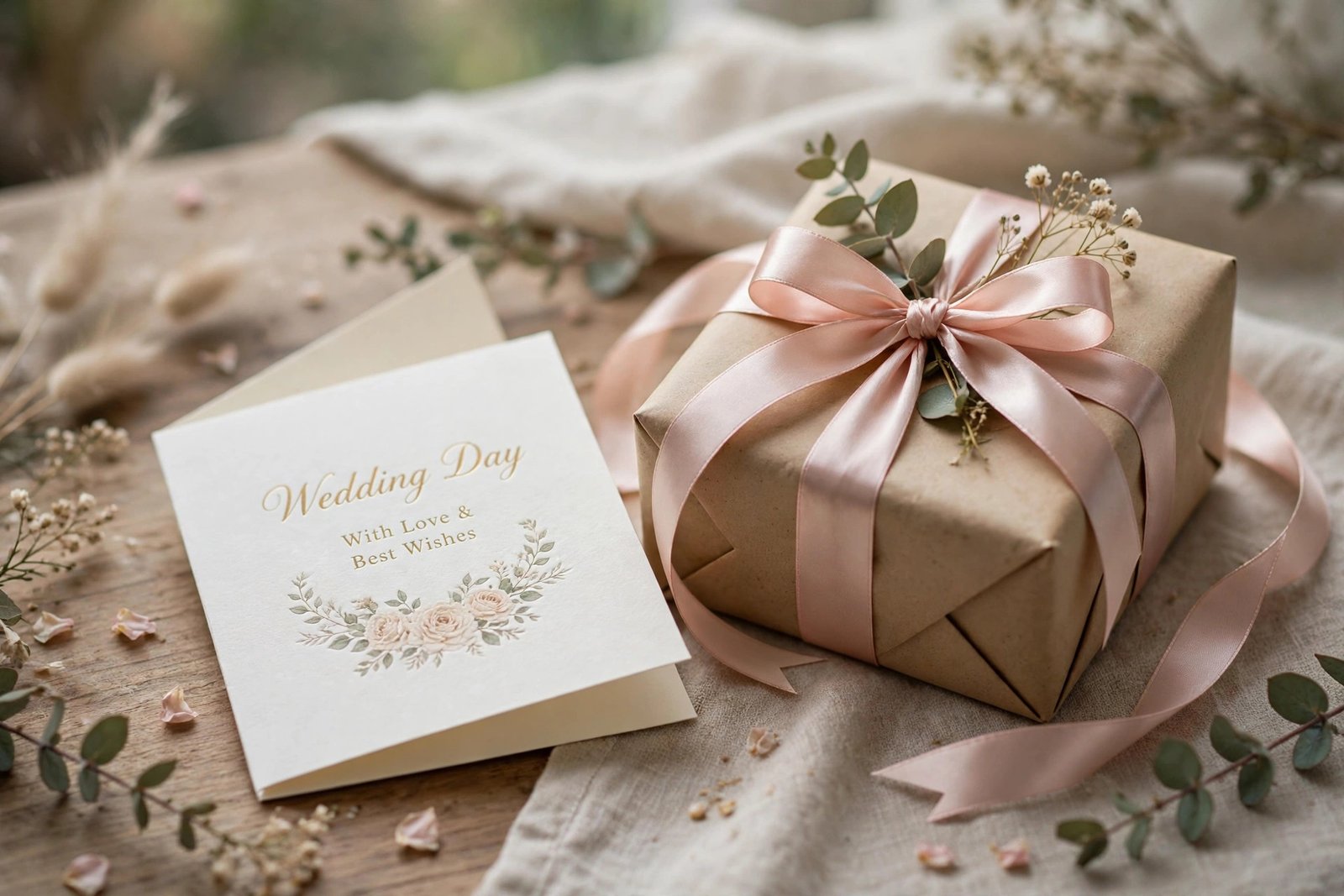
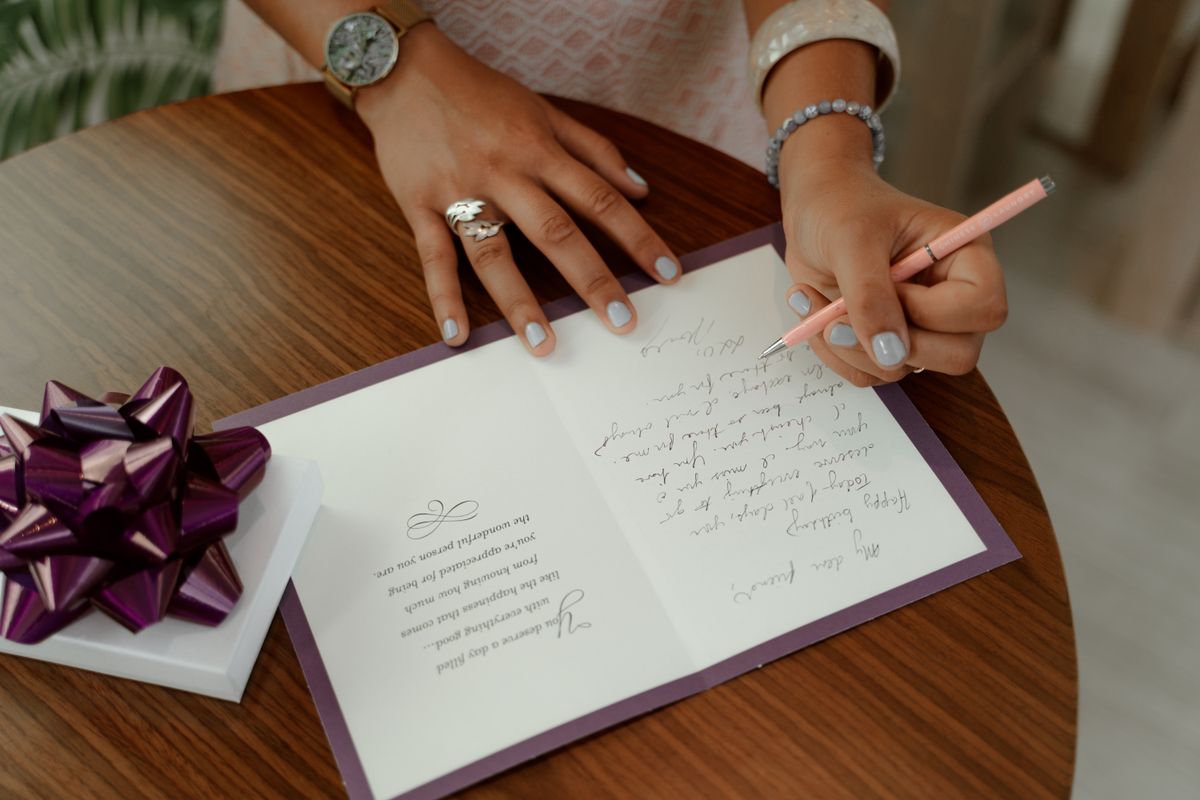
Presentation, too, deserves a little care, because it is the first thing the couple will see. You do not need elaborate wrapping or expensive packaging; neat, simple wrapping, a ribbon, and a card with a handwritten message will do far more than flashy paper with no personal touch. The message itself is often the part of the gift that couples keep longest, long after the present itself has been used or worn out, so it is worth taking a few minutes to write something personal. Mention a memory you share, a hope for their future together, or simply how glad you are to be part of their day. Avoid generic, printed sentiments if you can, and write in your own words, even if those words are simple. A gift that arrives beautifully presented, with a message that could only have come from you, feels personal in a way that no amount of spending can replicate.
What to Avoid
A few common mistakes are worth steering clear of. Avoid buying a duplicate of something the couple already own, especially if a registry exists and you have not checked it. Avoid gifts that require a great deal of upkeep, space or specialist knowledge unless you are certain the couple want them, since a gift that becomes a burden is rarely appreciated. Avoid overly personal or humorous gifts for couples you do not know well, since humour that falls flat can feel awkward rather than affectionate. Avoid drawing attention to the cost of your gift, whether by boasting about it or apologising for it, since either approach shifts the focus from the couple to the giver. And avoid making the gift about yourself, whether by choosing something you would want rather than something they would want, or by using the gift as a way to settle a score or make a statement. The best wedding gifts are generous, thoughtful and quietly focused on the couple.
Frequently Asked Questions
Is it rude to give cash instead of a physical gift?
Not at all, provided it is given thoughtfully. Many couples actively prefer cash, especially if they are saving for a home, a honeymoon or a shared experience, and many set up a fund specifically for that purpose. Present cash in a card with a personal message, so the couple understand what you hope it will contribute to, and it will be received as a generous and practical gift rather than an impersonal one.
Should I always buy from the registry?
If a registry exists, it is usually the wisest choice, because the couple have chosen the items themselves and buying from the list avoids duplication. You are not obliged to buy the most expensive item, and a smaller registry item bought with care is a perfectly good gift. A personal gift can be lovely too, but it works best when you know the couple well and are confident about their taste.
What if I cannot attend the wedding?
It is still thoughtful to send a gift, even if you cannot be there in person. Send it before the wedding if possible, or within a few weeks afterwards, and include a card explaining that you are sorry to miss the day and wishing the couple well. Couples understand that not everyone can attend, and a gift sent with warmth will be appreciated just as much as one given in person.
How do group gifts work?
One person usually coordinates the group, collects contributions and buys the gift or makes the contribution on everyone’s behalf. Agree the amount and deadline early, be transparent so nobody feels pressured, and include a message from everyone in the card. If the group does not reach its target, a smaller gift or a joint cash contribution is a graceful alternative.
Conclusion
Choosing wedding gifts people actually want comes down to a handful of simple habits: start with the couple, not the catalogue; use the registry when one exists; consider cash as a genuinely generous option; choose personal gifts only when you are confident they will be welcomed; set a budget you can afford gladly; and consider a group gift when a larger present makes sense. Add to that a little attention to timing and presentation, and a card written in your own words, and even a modest gift will feel thoughtful and special. Weddings are, above all, a celebration of a relationship, and the best gift is one that honours that relationship with care, warmth and good judgement. Give something the couple will use, enjoy or remember, and you will have given exactly the right thing.





Leave a Reply