

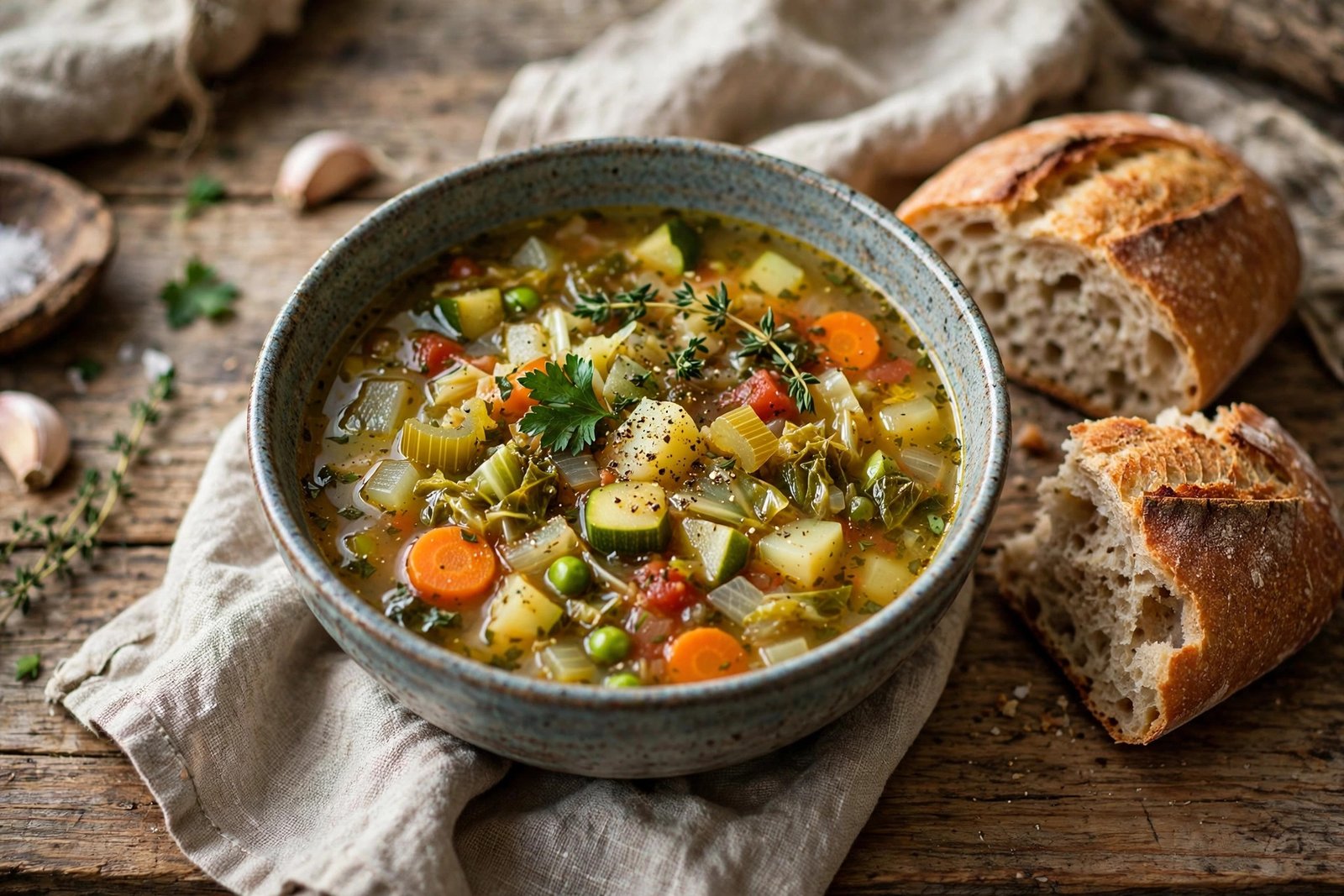
There is a particular kind of comfort that only a bowl of homemade soup can offer. It is warm without being heavy, filling without being fussy, and forgiving in a way that few other dishes manage to be. A soup that is a little different from last time is rarely a failure, and a soup made from whatever is already in the fridge can still taste like it was planned all along. That is why soup recipes have such a lasting place in home cooking, not as a showpiece for special occasions, but as a reliable answer to the everyday question of what to make for lunch or supper. This guide looks at why soup works so well, how flavour is built in layers rather than added at the end, the main styles of soup worth knowing, and how to store and freeze soup so that one afternoon of cooking can feed you several times over.
Why Soup Works All Year Round
Soup is often thought of as winter food, something to reach for when the evenings draw in and the heating goes on, but that sells it short. In the colder months, a hot, hearty soup is genuinely restorative, the kind of meal that warms you from the inside and makes a grey day feel manageable. In spring, lighter broths with fresh herbs and young vegetables feel bright and cleansing after heavier winter eating. In summer, chilled soups and light vegetable broths work beautifully as a starter or a light lunch, especially when served with good bread and a simple salad. And in autumn, when root vegetables and squashes are at their best, soup becomes the natural way to use the season. The point is not that one soup suits every day of the year, but that the idea of soup adapts to the season, the weather and your appetite.
Soup also suits real life in a way that more demanding cooking often does not. It is largely a one-pot meal, which means less washing up and less juggling of timings. It can be left to simmer gently while you get on with other things, and it rarely suffers from being left a little longer than planned. It scales up easily, so cooking for one can become cooking for several with only a larger pot and a little more chopping. It is also one of the kindest ways to use up vegetables that are past their best but still perfectly good to eat, turning what might have been wasted into something nourishing. For busy households, for people cooking on a budget, and for anyone who likes to have something wholesome ready in the fridge, soup is hard to beat.

Building Flavour in Layers
The difference between a soup that tastes flat and one that tastes deeply satisfying usually comes down to layering. Flavour is not something you add in a single step at the end; it is built gradually, from the first ingredients in the pot to the final seasoning before serving. It starts with the base, and for most savoury soups that base is onion, gently cooked until soft and sweet, often with garlic, celery or carrot alongside. Taking time over this first step matters far more than any fancy ingredient later on. Onion that has been properly softened gives the whole soup a mellow sweetness that raw or rushed onion never will, and it sets a foundation that everything else can build upon.
From there, flavour grows through browning, seasoning and simmering. Vegetables that are given a little time in the pot before liquid is added develop a richer taste than vegetables simply boiled in water. Herbs and spices added early tend to mellow and blend into the background, while fresh herbs stirred in near the end keep their brightness and lift the finished soup. A splash of something acidic, such as lemon juice or vinegar, added right at the end can transform a soup that tastes dull, sharpening all the other flavours without making the soup itself taste sour. Salt, too, is best added in stages and tasted as you go, because a soup that is under-seasoned will taste thin no matter how good its ingredients are, while a soup that is seasoned gradually will taste rounded and complete.
The liquid you choose matters just as much as the solid ingredients. Water will do, and for a simple vegetable soup it is often perfectly fine, but a well-made stock adds a depth that water alone cannot match. Vegetable stock keeps a soup light and suitable for everyone, while chicken or beef stock gives a richer, more savoury character. You do not need to make stock from scratch to make good soup, and a good shop-bought stock is a perfectly sensible shortcut, but it is worth tasting it before you add extra salt, since stocks vary a great deal in saltiness. The best approach is to think of the liquid as an ingredient in its own right, not just as something to cover the vegetables, and to choose it with the same care you give to everything else in the pot.
Brothy, Creamy or Chunky? Choosing Your Style
Most homemade soups fall, broadly, into three styles, and knowing which one you are aiming for helps you decide how to cook and serve it. Brothy soups are light and clear, with vegetables, noodles, grains or small pieces of meat floating in a well-seasoned liquid. They are refreshing rather than filling, they suit warmer weather and lighter appetites, and they are a wonderful way to showcase a really good stock. The key to a good brothy soup is balance: the broth itself must taste good on its own, because there is nowhere for a weak broth to hide, and the solid ingredients should be cut small enough to eat comfortably with a spoon.
Creamy soups, by contrast, are smooth, rich and comforting, the kind of soup that feels like a meal in itself. They are usually made by blending cooked vegetables until velvety, sometimes with cream, milk or a dairy-free alternative stirred in at the end for extra silkiness. Blending transforms humble ingredients into something luxurious, and a simple combination of root vegetables can become a soup that feels far more indulgent than its ingredients suggest. The trick is not to overdo the richness: a creamy soup should still taste of its main vegetable, not only of cream, and a swirl of cream or a scattering of fresh herbs on top is often all the garnish it needs. Served with crusty bread, a creamy soup is a complete and deeply satisfying supper.
Chunky soups sit somewhere between the two, hearty and rustic, with generous pieces of vegetable, beans, lentils or meat that you can really get your teeth into. They are the most filling style, ideal for cold days and hungry appetites, and they are often the easiest to improvise, since the exact mix of ingredients matters less than the overall balance. A chunky soup benefits from longer, gentler cooking, which allows tougher vegetables and pulses to soften fully and lets the flavours meld. It also reheats particularly well, which makes it a good choice for batch cooking. Whichever style you choose, the aim is the same: a soup that tastes of its ingredients, is seasoned with care, and feels like it was made to be enjoyed rather than merely eaten.

A Few Classic Style Ideas
You do not need a shelf full of cookbooks to make good soup, and you certainly do not need to follow a rigid formula every time. A handful of classic styles, understood in general terms, will carry you through most of the year. A simple vegetable soup, made from whatever vegetables you have, softened onion and garlic, good stock and a handful of herbs, is the foundation of all the rest, and it is endlessly adaptable. Add lentils or beans and it becomes more filling; add noodles or rice and it becomes a complete meal; add a tin of tomatoes and it takes on a warmer, Mediterranean character. The skill lies not in memorising exact combinations, but in learning how these building blocks work together.
Other familiar styles follow the same logic. A smooth root vegetable soup, blended until silky, is perfect for autumn, when carrots, parsnips and squash are plentiful. A tomato soup, whether smooth or slightly chunky, is a timeless favourite, especially alongside a grilled cheese sandwich or a slice of good bread. A hearty bean or lentil soup, enriched with herbs and perhaps a little smoked flavour, is filling, economical and deeply comforting. A chicken soup with vegetables and noodles or barley has a reputation as a restorative meal for good reason: it is gentle, nourishing and easy to eat when appetite is low. And a chilled soup, made from blended vegetables and served cold with a drizzle of good oil and fresh herbs, is a refreshing surprise on a hot day. None of these needs to be made to an exact specification; what matters is fresh ingredients, careful seasoning and enough simmering time for the flavours to come together.
Storing and Freezing Soup
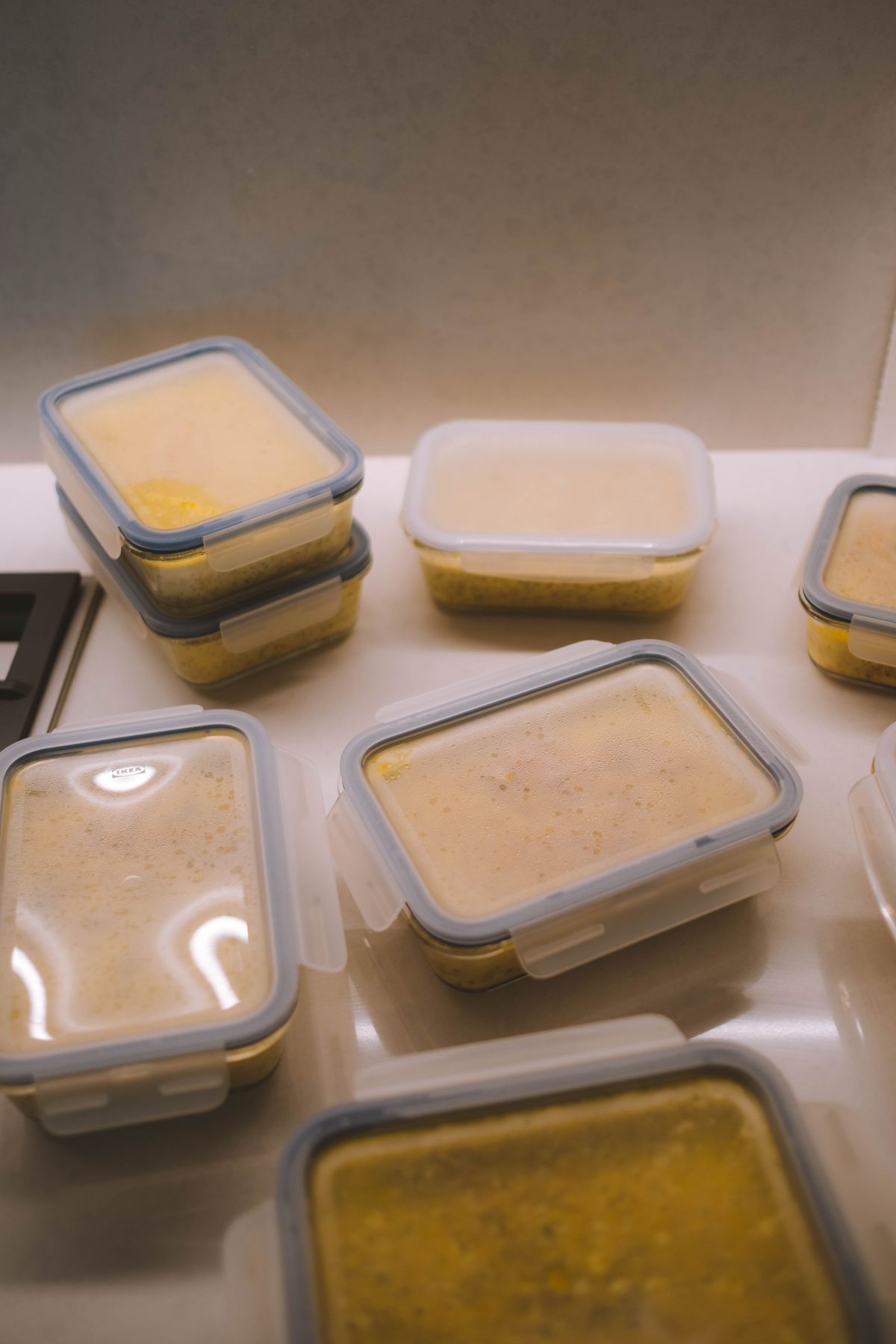
One of the great pleasures of making soup is that it keeps well, and a pot made on a quiet afternoon can provide several easy meals later in the week. Freshly made soup should be cooled reasonably quickly and stored in the fridge in a covered container, where it will keep for a few days. In fact, many soups taste even better the next day, once the flavours have had time to settle and deepen overnight. When reheating, bring the soup back to a gentle simmer and stir it well, tasting and adjusting the seasoning as you go, since flavours can mellow in storage and a little extra salt, pepper or lemon juice may be needed to bring the soup back to life.
Freezing is where soup really earns its place in a busy kitchen. Most soups freeze beautifully, provided they are cooled completely before freezing and stored in suitable containers with a little room left for expansion. Portion-sized containers are far more useful than one large tub, because they let you defrost exactly what you need for a single meal without thawing the whole batch. Label each container simply, with the type of soup and the date, so you are not left guessing months later. Soups containing cream, milk or noodles freeze less successfully than brothy or chunky soups, since dairy can separate and noodles can turn soft, so if you plan to freeze a creamy soup, it is often better to freeze the blended vegetable base and add the cream fresh when you reheat it. Defrosted soup should be heated thoroughly and eaten promptly, and it should not be frozen a second time.
Serving Soup Well
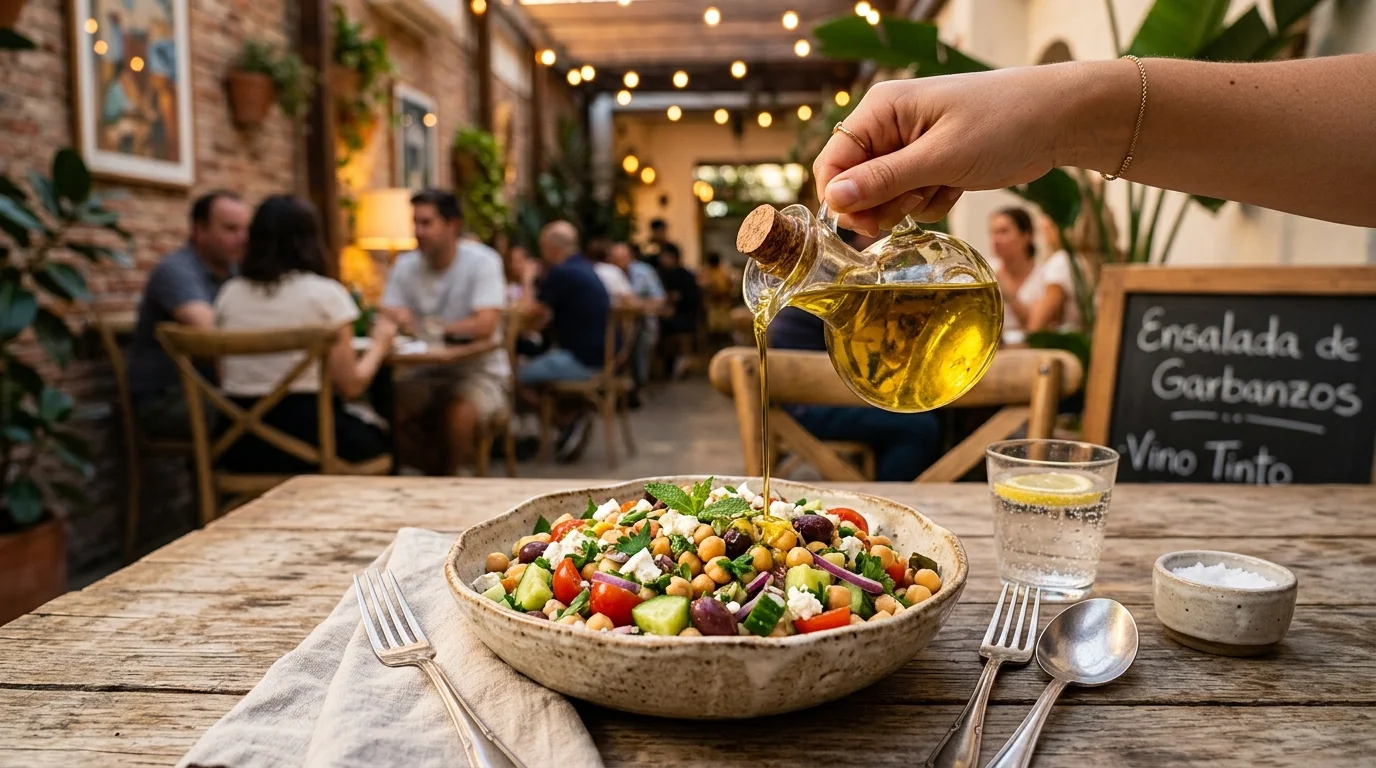
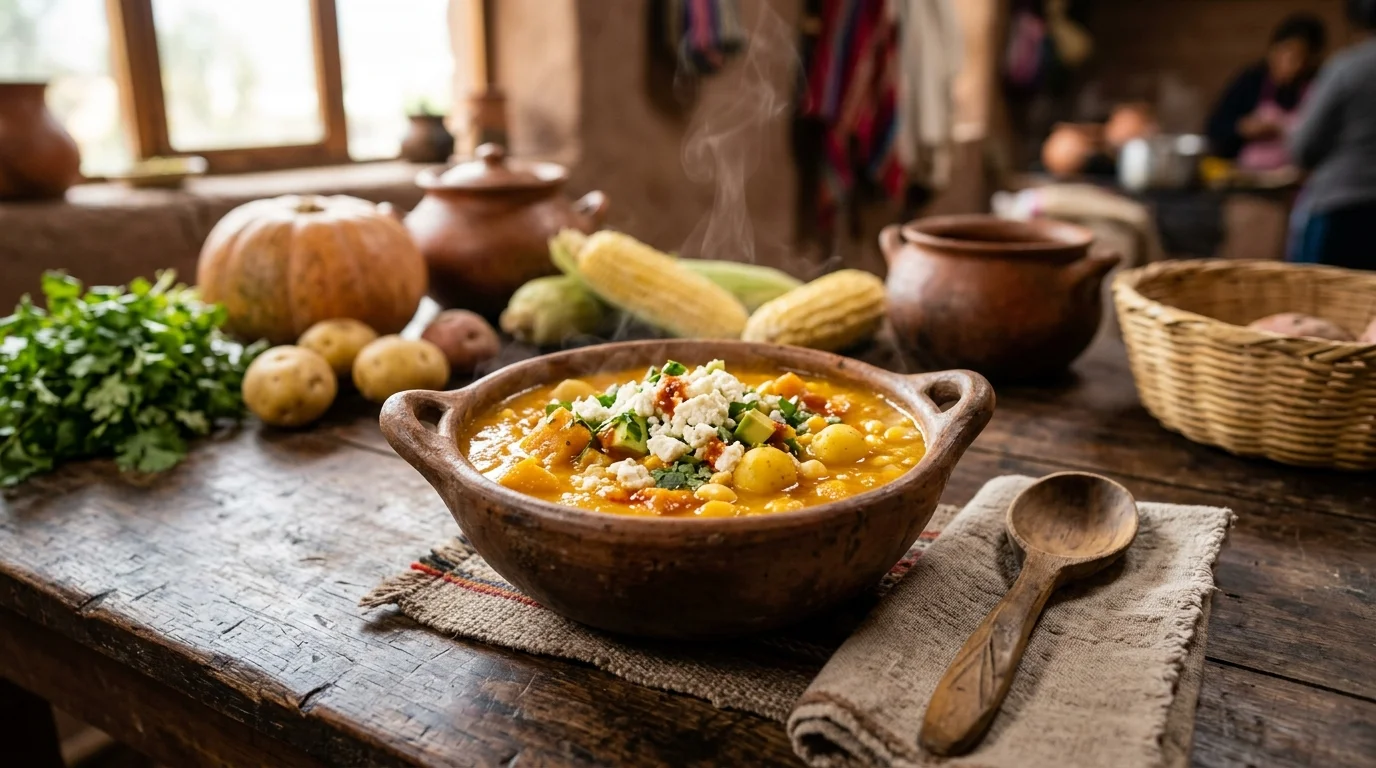
How you serve soup matters more than people often realise, and a few small touches can turn a simple bowl into a meal that feels considered. Bread is the classic partner, whether it is a crusty loaf, a soft roll or a slice of toasted sourdough, and it serves a practical purpose too, giving you something to scoop up the last of the soup. A simple garnish, such as a scattering of fresh herbs, a swirl of cream, a drizzle of good olive oil or a handful of toasted seeds, adds colour, texture and a final layer of flavour without complicating the dish. For a more substantial meal, soup pairs beautifully with a simple salad, a cheese toastie or a ploughman’s-style plate, turning a light lunch into something that will keep you going all afternoon.
It is also worth thinking about who you are cooking for. Soup is one of the easiest meals to adapt for different dietary needs: leave out dairy for a vegan version, choose gluten-free grains instead of noodles or bread, or keep a soup plain and let each person add their own toppings. When cooking for children, a smooth soup is often more popular than a chunky one, and a familiar flavour, such as tomato or carrot, is a safer starting point than something strongly spiced. When cooking for guests, soup makes a relaxed and generous starter, since it can be prepared in advance and reheated without fuss, leaving you free to enjoy the occasion rather than standing over the hob. In every case, the same principles apply: good ingredients, layered flavour, careful seasoning, and a pot that has been given enough time.
Frequently Asked Questions
Can I make soup without a recipe?
Yes, and that is one of the joys of soup making. Once you understand the basic pattern, softened onion and garlic, vegetables, good stock, seasoning and simmering time, you can improvise with whatever you have. Start with familiar combinations, taste as you go, and keep notes on what worked, and you will soon find that you no longer need to follow a recipe closely at all.
Why does my soup taste bland?
The most common causes are under-seasoning, a weak stock, or flavour that has not been layered. Taste the soup and add salt gradually, check whether a splash of lemon juice or vinegar lifts it, and consider whether the base vegetables were given enough time to soften and sweeten at the start. A garnish of fresh herbs can also help, but it cannot rescue a soup whose base flavour was never developed.
Can I freeze all types of soup?
Most soups freeze well, especially brothy and chunky styles, but creamy soups and soups containing noodles or rice freeze less successfully, since dairy can separate and starches can turn soft. For those, freeze the base without the dairy or noodles and add them fresh when reheating, and always cool soup completely before freezing it in portion-sized containers.
How do I thicken a soup that is too thin?
There are several gentle options. You can simmer the soup uncovered for a while so some liquid evaporates, blend a portion of the soup and stir it back in, or mash some of the cooked vegetables against the side of the pot. Adding lentils or beans will also thicken a soup naturally while making it more filling, and all of these methods are preferable to relying on flour, which can dull the flavour if used heavily.
Conclusion
Homemade soup is not about perfection, and it is not about following a single recipe exactly. It is about understanding a few simple ideas, building flavour in layers, choosing a style that suits the season and your appetite, seasoning with care, and giving the pot enough time to do its work. Whether you prefer a light brothy soup, a silky creamy soup or a hearty chunky soup, the same foundations will serve you well, and the more you cook soup, the more confident and inventive you will become. Make a large pot, enjoy a bowl straight away, keep some for tomorrow, and freeze the rest in portions for a busy day when cooking from scratch feels like too much. That is the quiet magic of soup: a simple, honest meal that looks after you long after the pot has been put away.




Leave a Reply