

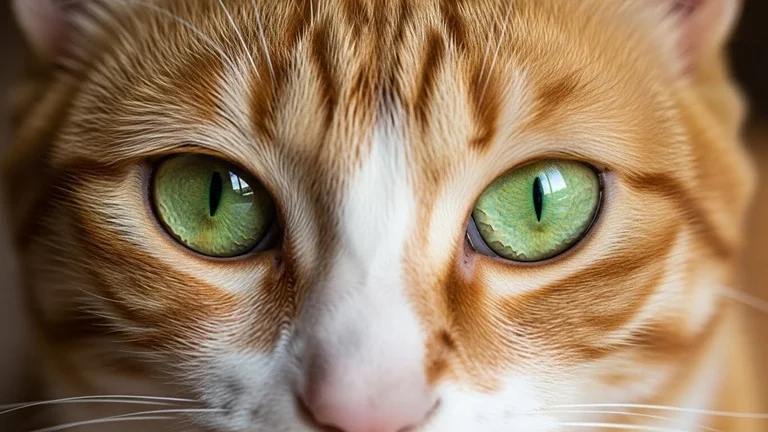
Cat eyes are one of the most fascinating features in the animal world. From their glowing appearance in the dark to the way their pupils change shape, cat eyes reveal a lot about feline vision, emotions, and overall health. Understanding how cat eyes work, what different eye behaviors mean, and how to care for them can help cat owners build a stronger bond with their pets while also spotting potential health problems early.
This complete guide explains cat eye anatomy, vision, behavior, meaning, and eye health in a simple and practical way.
How Cat Eyes Work (Complete Anatomy Breakdown)
To understand cat eye behavior and meaning, it’s important to know how feline eyes are structured.
Cat eyes consist of several key parts:
- Cornea – the clear outer layer that protects the eye
- Iris – controls pupil size and light entry
- Pupil – the vertical slit that adjusts to light and emotion
- Retina – processes visual information
- Tapetum lucidum – a reflective layer that enhances night vision
- Third eyelid (nictitating membrane) – protects and moisturizes the eye
The tapetum lucidum is what causes cat eyes to glow in the dark. It reflects light back through the retina, allowing cats to see clearly in low-light conditions. This unique structure gives cats a huge advantage as nocturnal hunters.
Vertical slit pupils also allow better depth perception and precise control of light intake, which explains why cat pupil dilation changes so dramatically.
How Cats See the World
Many people wonder: Can cats see better than humans?
Cats don’t see the world the same way we do. Their vision is optimized for hunting and survival rather than sharp detail.
- Cats can see well in low light, but not in total darkness
- They detect motion much better than fine detail
- Cats see fewer colors; blues and yellows are clearer than reds
- Their distance vision is excellent, but close-up objects appear blurry
When comparing cat eyes vs human eyes, humans have better color vision and sharpness, while cats excel at night vision and motion detection. This explains why cats easily spot moving objects but may struggle to notice stationary ones.
Why Cat Pupils Change Size
One of the most noticeable features of cat eyes is how quickly pupils change size.
Dilated pupils may indicate:
- Excitement or playfulness
- Fear or stress
- Low light conditions
- Pain or health issues
Narrow pupils may indicate:
- Bright light
- Aggression or overstimulation
- Focus during hunting
Sometimes, one cat pupil is bigger than the other, which can be a sign of injury, neurological issues, or eye disease. Sudden or persistent pupil changes should never be ignored.
Understanding why cats’ pupils change size helps owners interpret both emotional signals and possible health concerns.
What Cat Eye Shapes & Positions Mean (Behavior Decoded)
Cat eye shapes and positions reveal a lot about mood and intent.
- Wide open eyes – alertness, fear, or excitement
- Half-closed eyes – relaxation and trust
- Squinting – discomfort, eye irritation, or pain
- Hard staring – challenge or defensive behavior
Cats communicate heavily through eye expressions. Reading cat eye behavior alongside body language (ears, tail, posture) gives the clearest understanding of their emotions.
A cat eye behavior chart can help owners quickly match eye shapes to emotions, something most competitors fail to provide clearly.
How Cats Communicate Using Their Eyes
Eye communication plays a major role in feline social behavior.
- Slow blinking is a sign of trust and affection
- Avoiding eye contact shows submission or calmness
- Prolonged staring may signal aggression or anxiety
The famous slow blink cat meaning is often referred to as a “cat kiss.” When a cat slowly blinks at you, it means they feel safe. You can return the gesture to strengthen your bond.
Understanding cat eye communication helps reduce misunderstandings and improves human-cat relationships.
Cat Eye Color Explained
Many cat owners are curious about cat eye color meaning.
Common eye colors include:
- Yellow
- Green
- Blue
- Copper
- Odd-colored eyes (heterochromia)
Do cat eye colors change?
Yes, kittens are usually born with blue eyes, which change as they grow. In adult cats, sudden eye color changes can indicate health issues such as inflammation or glaucoma.
Eye color alone does not define personality, but changes in color, cloudiness, or brightness should always be monitored.
Common Cat Eye Problems & Symptoms
Cat eye health issues are more common than many owners realize.
Common eye problems in cats include:
- Conjunctivitis (red, swollen eyes)
- Cataracts (cloudy appearance)
- Glaucoma (pressure buildup)
- Eye infections
- Corneal ulcers
Warning signs of eye problems:
- Excessive tearing or discharge
- Squinting or blinking frequently
- Redness or swelling
- Cloudy or dull eyes
- Sensitivity to light
Recognizing cat eye infection symptoms early can prevent long-term vision damage.
When to See a Vet for Cat Eye Issues
Some eye issues require immediate veterinary attention.
Seek emergency care if you notice:
- Sudden vision loss
- One pupil larger than the other
- Severe swelling or bleeding
- Persistent eye discharge
- Trauma to the eye area
Knowing when to see a vet for cat eye issues can save your cat’s eyesight and prevent serious complications.
How to Care for Your Cat’s Eyes at Home
Proper care helps maintain long-term cat eye health.
Simple cat eye care tips:
- Gently clean discharge with a damp cotton pad
- Keep the litter box and living area clean
- Trim facial fur if it irritates the eyes
- Provide a balanced diet for eye health
- Schedule regular vet checkups
A basic cat eye health checklist allows owners to spot changes early and take action before problems worsen.
Cat Eye Myths vs Facts
Let’s clear up common misconceptions.
- ❌ Cats can see in complete darkness
✅ Cats need some light to see - ❌ Glowing eyes are dangerous
✅ It’s a natural reflection from the tapetum lucidum - ❌ Cats see the same colors as humans
✅ Cats see fewer colors but detect motion better
Debunking cat vision myths helps owners better understand their pets.
Frequently Asked Questions About Cat Eyes
Why do my cat’s eyes glow at night?
This happens due to the tapetum lucidum reflecting light.
What does it mean when my cat squints one eye?
Squinting can indicate irritation, infection, or injury.
Why does my cat stare at me?
Staring can mean curiosity, affection, or a challenge depending on context.
Are eye changes normal in older cats?
Some changes occur with age, but sudden changes should always be checked by a vet.
Final Thoughts
Understanding cat eyes, their meaning, behavior, and health gives cat owners valuable insight into their pet’s emotional and physical well-being. From cat pupil dilation to slow blinking, eye signals reveal what cats can’t say out loud.
By learning how cat eyes work, how cats see the world, and how to care for feline eyes properly, you can ensure your cat stays healthy, comfortable, and happy for years to come.



Leave a Reply