

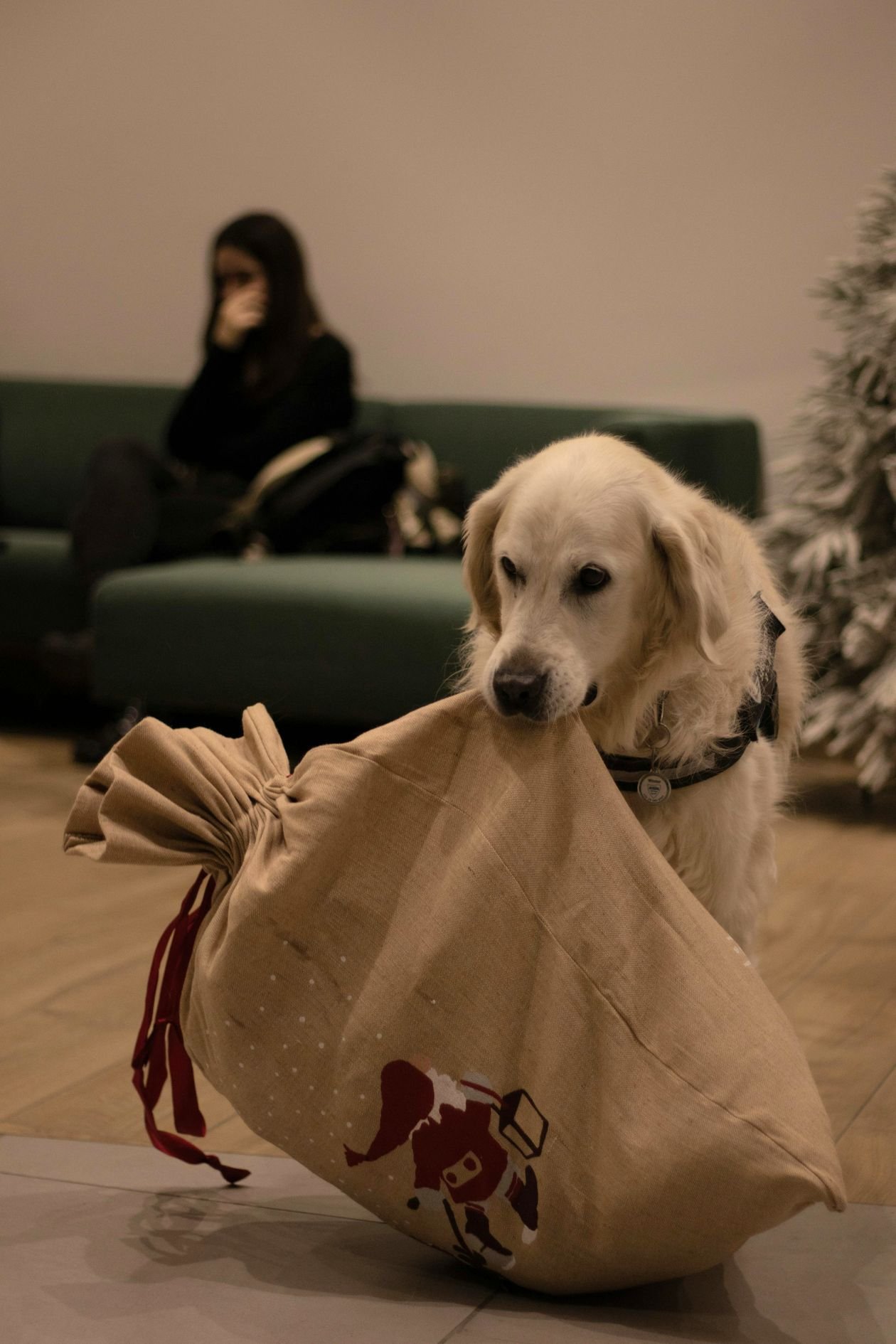
Every December the same scene plays out in homes across the UK. The wrapping paper comes out, the tree goes up, and the family dog sits in the middle of it all, convinced that at least one of those parcels belongs to them. Increasingly, they’re right. Choosing Christmas gifts for your dog has become a proper part of the festive routine, and it’s easy to see why: dogs share our homes, our sofas and our daily lives, so leaving them out of the celebrations just feels wrong.
This guide walks through the best dog gifts for every budget, from chew toys and tasty treats to cosy beds and shared experiences. You’ll also find a clear list of things to avoid, because a few popular festive items can be genuinely dangerous for dogs. Whether you want something to keep an energetic puppy busy or something gentle for a senior companion, there’s an idea here for you.
Why Dog Gifts Are Worth the Effort
Dog gifts aren’t really about the wrapping. Dogs don’t understand the date on the calendar, but they do understand attention, novelty and routine. A new toy to investigate, a special chew to settle down with or an extra-long walk gives them the things they love all year round: your time and your focus. That’s worth remembering if your budget is tight, because the most memorable present is rarely the most expensive one.
December can also be unsettling for dogs. Visitors arrive, doorbells ring, the house smells different and mealtimes shift. A well-chosen gift gives your dog something calm and enjoyable to do while the household is busy, which makes it practical as well as sweet. Pet shops and supermarkets now stock whole ranges of xmas gifts for dogs, so the choice has never been wider. That’s great news, but it also means it pays to be selective.
How to Choose the Best Christmas Gifts for Your Dog
Before you add anything to your basket, spend a minute thinking about the dog you actually have. The best Christmas gifts for your dog are matched to their personality and needs, not to whatever looks cutest on the shelf. Ask yourself these questions:
- How big is my dog? Toys and chews should be too large to swallow but comfortable to carry. A toy made for a Labrador will frustrate a Chihuahua, and a tiny toy given to a large dog can become a choking risk.
- How old are they? Puppies need soft, teething-friendly items. Adult dogs often prefer tougher materials, while seniors usually appreciate comfort, warmth and gentle puzzles over rough play.
- How do they play? Some dogs shred everything, some fetch for hours and some carry a favourite toy around like treasure. Match the gift to the habit.
- Do they have health or diet needs? Dogs with allergies, sensitive stomachs or weight problems need treats chosen with care. If you’re unsure, ask your vet before buying.
- What do they already own? A toy box full of untouched toys doesn’t need another one. Consider a different kind of gift instead.
Toys and Games That Keep Dogs Busy
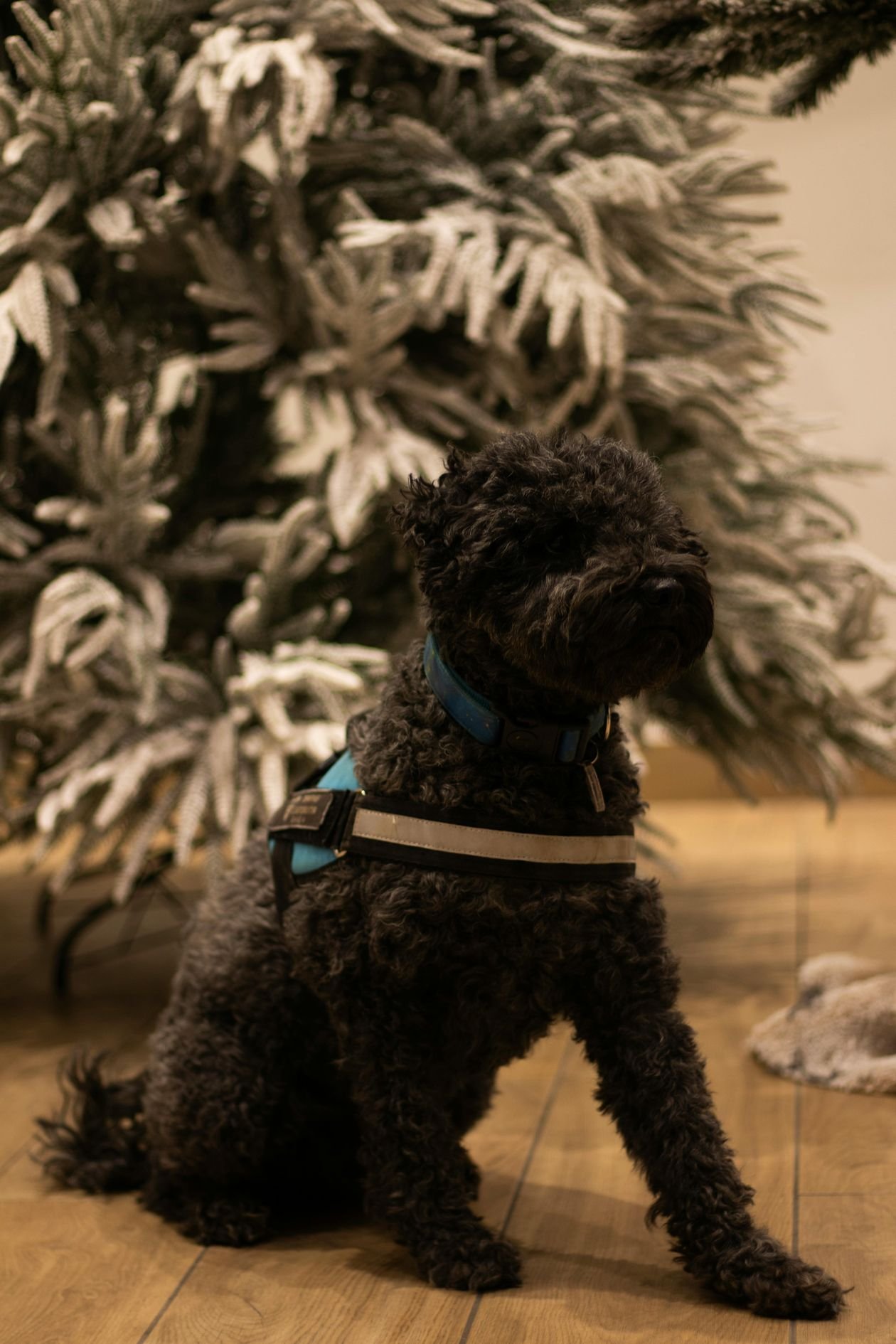
Toys are the classic choice, and for good reason. Durable rubber chew toys suit strong chewers, while rope toys are brilliant for tug games. Fetch lovers can’t go wrong with a new ball, and a floating toy is a great extra if you walk near water. For gentler dogs and puppies, a soft plush toy can become a lifelong comfort object.
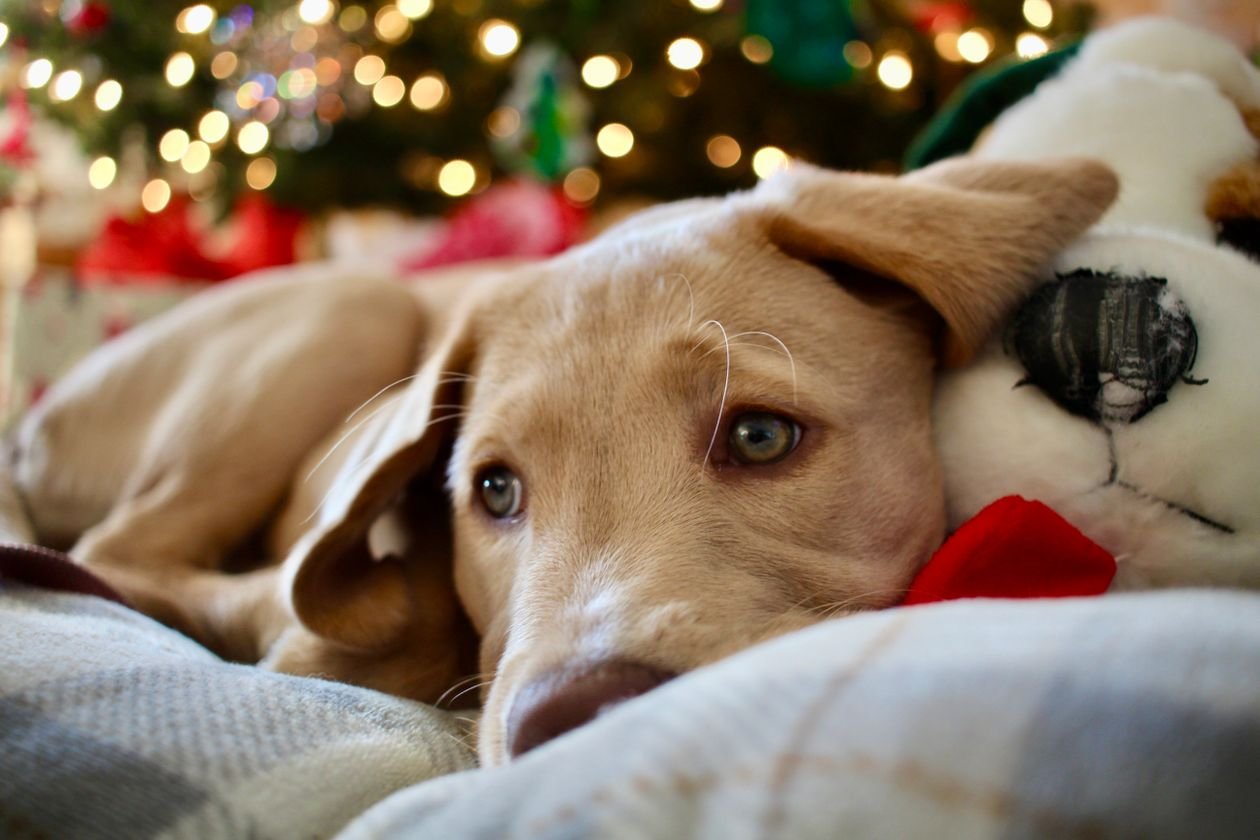
If your dog is clever, think about mental stimulation as well as exercise. Snuffle mats, treat-dispensing toys and simple puzzle feeders make dogs use their noses and brains, which can tire them out as effectively as a long walk. They’re especially useful on wet winter days when getting outside is harder. When shopping for Christmas gifts for your dog, one good puzzle toy often gives more value than a bag of cheap squeakers, because it keeps working long after Boxing Day.
Tasty Treats and a Dog-Friendly Festive Dinner
Food is the love language of most dogs, so it’s no surprise that edible presents top many wish lists. Dog advent calendars, festive biscuits and long-lasting natural chews are all popular, and most pet shops stock them well before December. Look for treats with short, recognisable ingredient lists and keep portions small so the extras don’t upset your dog’s stomach or waistline.
When choosing edible Christmas gifts for your dog, introduce anything new gradually and remember that treats should only make up a small share of their daily food. A commonly recommended guideline is no more than about 10 per cent of their daily calories. A little plain cooked turkey, with no skin, seasoning or bones, can also be a lovely extra on the day itself, as long as you give it in small amounts.
Cosy and Practical Gifts
Not every present needs to be exciting to be welcome. Practical gifts can improve everyday life and last for years:
- A new bed or blanket: especially welcome for older dogs and short-coated breeds that feel the cold.
- A weatherproof coat or jumper: useful for thin-coated dogs on frosty walks. Make sure it fits well and doesn’t restrict movement.
- A well-fitted harness or lead: a comfortable harness can make walks easier for both of you. Measure carefully before you buy.
- A water fountain or raised bowl: some dogs drink more when water is fresh and flowing, and taller dogs often find raised bowls easier to use.
- A personalised ID tag: a small, useful gift that helps a lost dog find their way home.
Experience Gifts: Time Is the Best Present
If your dog already has plenty of things, give them an experience instead. A new walking route, a trip to a dog-friendly beach or woodland, a playdate with a canine friend or a visit to a pub that welcomes dogs can all feel like a huge treat. Others invest in a training class, a grooming session or, for older dogs with stiff joints, a hydrotherapy session. Experiences often cost little or nothing, and they’re arguably the most meaningful Christmas gifts for your dog because they involve you.
Christmas Gifts for Your Dog to Avoid
Some of the most common festive items are risky for dogs. Keep these well out of reach, and don’t wrap them up as presents:
- Chocolate: toxic to dogs. This includes selection boxes and chocolate decorations hanging on the tree.
- Grapes, raisins, currants and sultanas: found in Christmas cake, pudding and mince pies, and potentially harmful to a dog’s kidneys.
- Xylitol: an artificial sweetener found in some sugar-free sweets, gum and certain nut butters. Always check the label.
- Onions and garlic: common in stuffing and gravy, and harmful to dogs.
- Cooked bones: they can splinter and cause serious injuries.
- Tinsel, ribbon and small toy parts: if swallowed, they can cause blockages. Avoid toys with button eyes or other small parts that can be chewed off.
If your dog eats something suspicious, call your vet straight away rather than waiting to see what happens. It’s always better to ask early.
Dog Gifts on a Budget
You don’t need to spend much to make your dog’s day. A few simple ideas cost next to nothing:
- Hide a handful of their usual treats inside a cardboard box or scrunched-up paper for a sniffing game. Supervise them and remove any cardboard they try to swallow.
- Bake a simple batch of dog-safe biscuits at home using plain ingredients such as oats and mashed banana, with no sugar, salt or sweeteners.
- Plan a special walk somewhere new and let your dog sniff at their own pace.
- Set aside ten minutes of dedicated play or cuddle time each evening in the run-up to Christmas.
Even on a modest budget, thoughtful Christmas gifts for your dog don’t have to be bought at all. They only have to be given with attention.
Wrapping and Opening Tips
Many dogs love unwrapping, but wrapping paper can be a hazard if they swallow it. Use plain paper without glitter, skip the ribbon and sticky tape, or simply put the present in a paper bag. Let your dog sniff the gift, open it with you and enjoy the moment, then pick up every scrap of packaging afterwards. If you have more than one dog, give each their own gift at the same time and keep chews separate to avoid squabbles. A calm, relaxed opening is better for your dog than a noisy, over-excited one.
Frequently Asked Questions
What are the best Christmas gifts for your dog if they chew everything?
Choose tough rubber chew toys made for strong chewers, long-lasting natural chews and food-dispensing toys that keep their jaws and mind busy. Always supervise, and throw away any toy that becomes damaged or starts to break into pieces.
How many presents should a dog get?
One or two well-chosen gifts are plenty. Too many new items at once can overwhelm a dog, and spreading toys out over the following weeks keeps things fresh.
Can I give my dog human Christmas food?
Only a few items are safe, such as small amounts of plain cooked turkey or vegetables without seasoning. Many classic festive foods are harmful to dogs, so stick to dog-safe treats whenever you can.
Is it too late to buy gifts if I leave it until December?
Not at all. Simple, safe items such as a new ball, a chew or a puzzle feeder are easy to find at the last minute, and a special walk costs nothing.
Final Thoughts
The best Christmas gifts for your dog are thoughtful, safe and matched to the individual animal in front of you. A tough toy, a cosy blanket, a few well-chosen treats or a long, relaxed walk can all make this a Christmas your dog remembers, if only for the extra attention. Know your dog’s size, age and habits, keep the dangerous items well away from the tree and the table, and focus on time together. Do that, and you’ll have picked the perfect gift, whatever you wrap.




Leave a Reply