

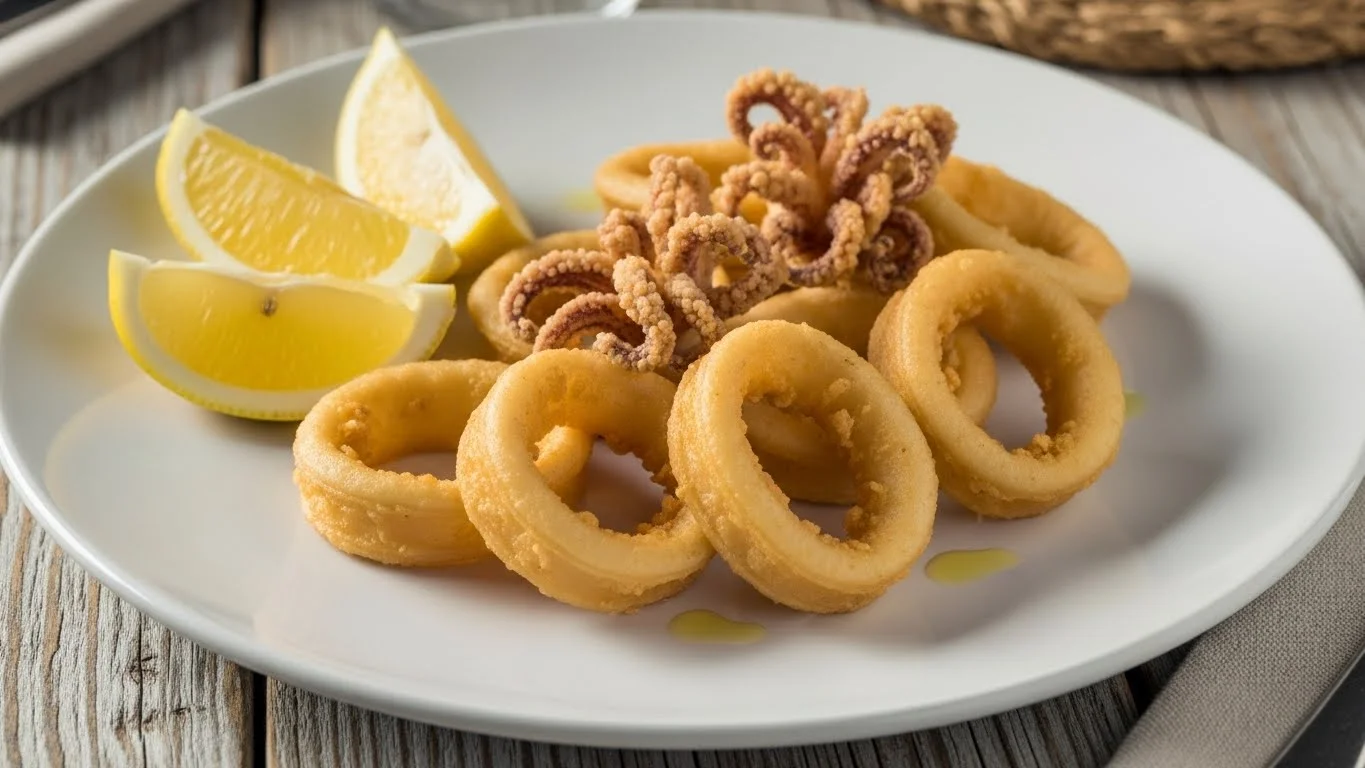
Calamariere is a squid-based dish that people enjoy across many cultures. It appears in coastal towns, busy cities, and food markets worldwide. The taste is mild. The texture is tender when cooked right. This makes calamari easy to pair with many flavors. From simple fried plates to bold spicy recipes, calamariere keeps its place as a favorite seafood choice. Its long history and global reach make it a timeless dish for food lovers.
The Origins of Calamariere
Calamariere began near the Mediterranean Sea. Early coastal communities depended on fishing for survival. Squid was common and easy to prepare. Ancient Greek cooks grilled squid over an open fire and flavored it with herbs. The Romans later improved these methods. They fried squid and served it during gatherings and feasts.
Italian coastal regions played a major role in shaping calamariere. Fishermen in southern Italy cooked squid shortly after catching it. Freshness mattered most. They sliced squid into rings and fried it in hot oil. This method created a light texture and rich taste. Over time, calamariere became part of everyday meals and festivals.
As people migrated, recipes traveled with them. Italian and Greek families shared squid dishes in new countries. Local ingredients influenced cooking styles. This process helped calamariere spread across Europe, the Americas, and Asia. Each region adapted the dish without losing its core identity.
Variations of Calamariere Across the World
Italy remains famous for fried calamari. Chefs use minimal seasoning. Flour coating stays light. Frying time stays short. Lemon adds freshness. This version highlights the natural flavor of squid.
Japan offers ikayaki. Cooks grill whole squid over charcoal. Soy sauce adds depth. The heat creates a smoky surface. The inside stays soft. This style focuses on grilling rather than frying.
Spain serves calamari as small shared plates. Squid is fried and served with olive oil and salt. In some cities, fried squid fills bread rolls. This makes it a popular street food.
Southeast Asian countries add heat and aroma. Squid cooks fast in chili sauces. Garlic, ginger, and fresh herbs define the flavor. Stir-frying keeps the squid tender. These versions suit people who enjoy bold taste.
Health Benefits of Calamariere
Calamariere offers strong nutritional value. Squid is rich in protein. Protein supports muscle health and energy. It also helps control hunger.
Squid contains omega-3 fatty acids. These fats support heart health. They also help brain function. Regular intake supports balanced cholesterol levels.
Vitamins and minerals add more benefits. Vitamin B12 supports nerves and blood cells. Selenium helps protect the body from cell damage. Zinc strengthens the immune system.
Cooking style affects health impact. Light frying or grilling works best. Heavy batter increases calories. Balanced preparation keeps calamari a smart seafood option.
Creative Ways to Cook and Enjoy Calamariere
Grilled calamari brings natural flavor forward. A simple oil and garlic marinade works well. Cooking time should stay short.
Calamari fritters offer a fun option. Finely chopped squid mixes with herbs. Small portions fry quickly. These work well as snacks.
Pasta dishes use calamari as a main ingredient. Tomato sauces pair well. Garlic-based sauces also work. Thin squid slices blend easily.
Salads provide a lighter version. Grilled squid adds protein to fresh vegetables. Lemon dressing adds balance. This style suits warm-weather meals.
Popular Restaurants and Dishes Featuring Calamariere
Traditional Italian trattorias serve calamari as a starter. Fresh squid remains the priority. Presentation stays simple.
Greek seafood restaurants serve calamari with lemon and olive oil. Spanish bars include it in tapas menus. Portion sizes stay small for sharing.
Modern restaurants experiment with fusion ideas. Chefs pair squid with global sauces. Tacos, bowls, and plated dishes show new creativity.
Street food markets also feature calamariere. Grilled squid sells quickly in Asian night markets. Fast cooking and bold flavors attract crowds.
How to Make Your Own Calamariere at Home
Start with clean squid. Remove skin and inner parts. Rinse and dry well.
Cut into rings of equal size. Prepare a light flour coating. Season lightly.
Heat oil in a pan. Oil should be hot but not smoking. Fry squid in small batches for two to three minutes.
Remove when golden. Drain excess oil. Serve immediately with lemon or sauce.
For grilling, brush the squid with oil. Grill one to two minutes per side. Do not overcook.
Key tips matter. Dry squid before cooking. Use high heat. Keep cooking time short.
Conclusion
Calamariere continues to win hearts across the world. Its history connects ancient cultures with modern kitchens. Every region adds its own style. The dish remains simple, flexible, and nutritious. Whether enjoyed at a restaurant or cooked at home, calamariere proves why it stays a global favorite.



Leave a Reply